How to Get Rid of Bed Bugs Permanently? Step by Step Guide
You woke up with itchy red welts on your arms. You pulled back your sheets and spotted tiny brown bugs crawling along the mattress seam. Your stomach dropped.
Bed bugs are a nightmare, and once they move in, they multiply fast. A single female bed bug can lay up to 500 eggs in her lifetime. That means a small problem becomes a massive infestation in just weeks.
The good news? You can get rid of bed bugs permanently. It takes the right strategy, consistent effort, and a clear plan.
Key Takeaways
- Early detection saves time and money. Bed bugs are easier to eliminate when you catch them before they spread to multiple rooms. Look for rusty brown stains on your sheets, tiny white eggs in mattress seams, and shed skins near your bed frame. The sooner you act, the fewer treatments you will need.
- Heat is the most effective bed bug killer. Bed bugs die at temperatures above 113°F (45°C). Professional whole house heat treatments boast success rates above 95%. You can also use a clothes dryer on high heat for at least 30 minutes to kill bugs hiding in fabrics.
- A combination approach works best. No single method eliminates bed bugs on its own. The most successful strategies combine heat treatment, vacuuming, mattress encasements, and either chemical or natural barriers like diatomaceous earth.
- DIY treatments have limits. Store bought sprays and home remedies can reduce numbers, but they often miss hidden bugs and eggs. If the infestation is moderate to severe, a professional exterminator will deliver faster and more reliable results.
- Prevention is just as important as treatment. After you eliminate bed bugs, you must take steps to stop them from returning. Regular inspections, protective mattress covers, and reduced clutter are your best long term defenses.
- Chemical resistance is real. Many bed bug populations have developed resistance to common pesticides. This is why heat treatments, diatomaceous earth, and integrated pest management strategies are becoming more popular and effective.
How to Identify Bed Bugs Before They Take Over Your Home
The first step in any bed bug battle is confirming you actually have them. Bed bugs are small, flat, oval shaped insects about the size of an apple seed. Adults are reddish brown, while nymphs are lighter and harder to see.
Check your mattress seams, box spring corners, and bed frame joints. Look for tiny dark spots (fecal stains), shed skins, and small white eggs about 1mm in size. A musty, sweet odor in the bedroom is another warning sign.
Bite marks alone are unreliable. Many people confuse bed bug bites with mosquito bites or skin rashes. According to the EPA, you should look for physical evidence on your bedding and furniture before assuming you have an infestation.
Pros of early identification: Cheaper treatment, less spread, faster resolution.
Cons: Bed bugs are excellent hiders, and small populations can be easy to miss without a trained eye.
How to Inspect Every Room in Your House for Bed Bugs
Bed bugs do not stay in one spot. They travel through wall voids, electrical outlets, and even along pipes. A thorough inspection of your entire home is essential before starting any treatment.
Start with the bedroom. Strip all bedding and examine the mattress closely with a flashlight. Check the seams, tags, and piping. Pull the bed frame apart if possible and look at joints and screw holes. Bed bugs love tight cracks where they can hide during the day.
Move to other furniture. Check sofas, recliners, nightstands, and dressers. Inspect curtain folds, picture frames, and baseboards. Bed bugs can hide behind loose wallpaper and inside electrical outlets.
Use a credit card to scrape along crevices and force hidden bugs into the open. Sticky interceptor traps placed under bed legs can also confirm their presence over a few days.
How to Prepare Your Home for Bed Bug Treatment
Preparation is a critical step that many people skip. Proper prep work makes any treatment method far more effective. Without it, bed bugs will find safe hiding spots and survive.
Remove all clutter from the infested rooms. Bag up clothing, linens, and soft items in sealed plastic bags. Wash everything in hot water and dry on the highest heat setting for at least 30 minutes. This kills bugs and eggs hiding in fabric.
Pull furniture away from walls. Empty nightstand drawers and closets near the bed. Vacuum all floors, carpets, and upholstered furniture thoroughly. Seal and dispose of the vacuum bag immediately in an outdoor trash bin.
Fill any cracks in walls, baseboards, and molding with caulk. These are common hiding spots, and sealing them removes potential harborage areas. This step alone can reduce your bed bug population significantly.
How to Use Heat Treatment to Kill Bed Bugs at Every Life Stage
Heat treatment is widely considered the gold standard for bed bug elimination. Bed bugs, their nymphs, and their eggs all die when exposed to sustained temperatures above 113°F (45°C). Most professional treatments raise room temperatures to 130°F to 140°F.
Professional whole room heat treatments have success rates above 95% when done correctly. Specialized heaters and fans are placed throughout the home to ensure every corner reaches the lethal temperature. A single treatment session typically takes 6 to 8 hours.
You can apply heat at home too. Use a clothes dryer on high for 30 minutes or more to treat clothing, bedding, and small fabric items. Portable steam cleaners that produce steam above 200°F can kill bugs on contact in mattress seams, baseboards, and furniture joints.
Pros: Kills all life stages, no chemical residue, works in a single session.
Cons: Professional heat treatment costs $1,000 to $3,000 or more, does not provide residual protection against reinfestation, and heat may not penetrate deep into walls with 100% accuracy.
How to Apply Diatomaceous Earth to Eliminate Bed Bugs Naturally
Diatomaceous earth (DE) is a natural powder made from fossilized marine organisms. It works by damaging the waxy outer layer of a bed bug’s exoskeleton, causing the insect to dehydrate and die over several days.
Apply a thin, even layer of food grade diatomaceous earth in cracks, crevices, and along baseboards. Dust it lightly under your bed, around bed legs, and inside electrical outlet covers. A little goes a long way. Thick clumps are actually less effective because bugs will walk around them.
Keep DE dry for best results. Moisture reduces its effectiveness. Leave it in place for at least 10 days and reapply as needed. Do not use pool grade diatomaceous earth, as it is chemically treated and dangerous to inhale.
Pros: Non toxic to humans and pets when used correctly, affordable, provides ongoing barrier protection.
Cons: Slow acting (takes days to weeks), less effective in humid environments, does not kill eggs directly, and can cause respiratory irritation if inhaled in large amounts.
How to Use Mattress Encasements to Trap and Starve Bed Bugs
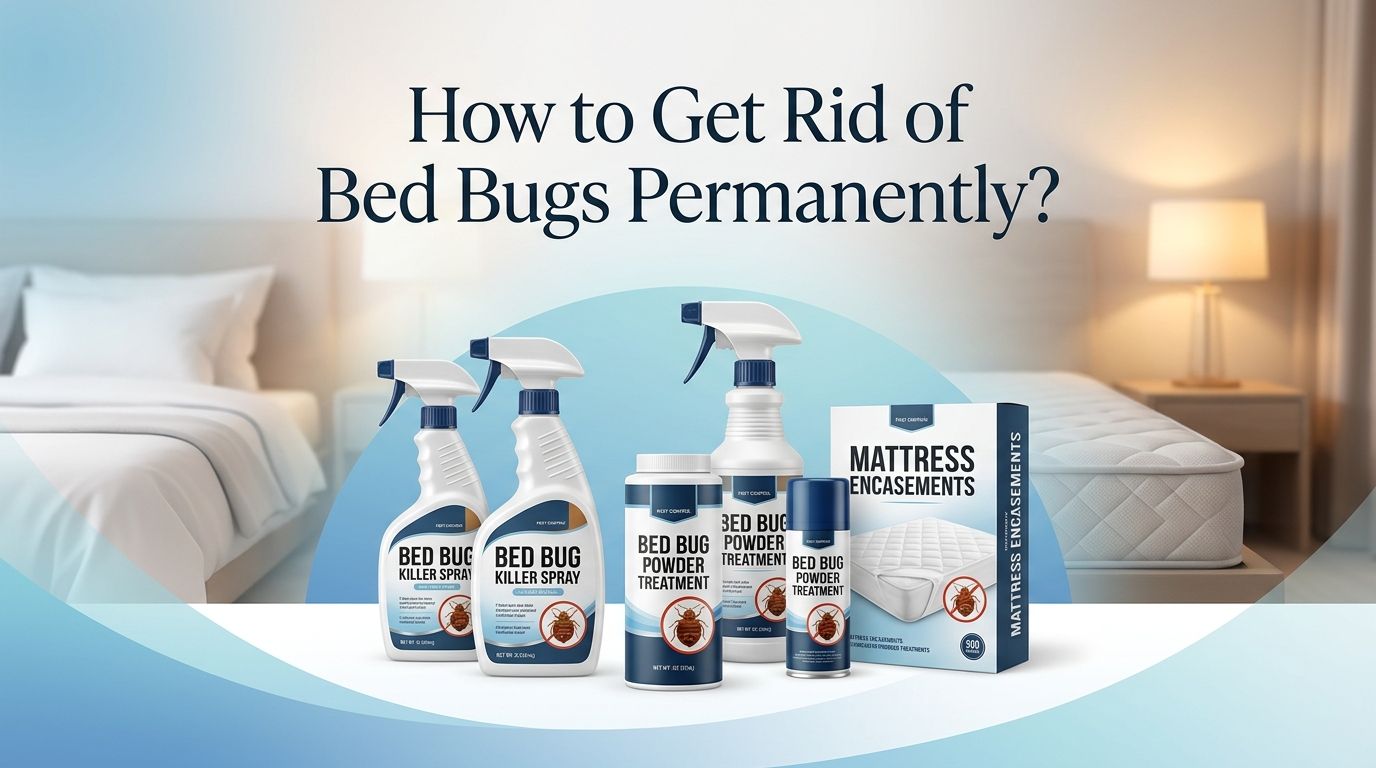
Mattress encasements are specially designed covers that completely seal your mattress and box spring. They trap any bed bugs already inside and prevent new ones from colonizing your sleeping surface.
Choose encasements labeled specifically for bed bug protection. These have reinforced zippers and tightly woven fabric that bed bugs cannot bite through or escape. Regular mattress protectors will not work.
Once you install the encasement, leave it on for at least 12 to 18 months. Bed bugs can survive up to a year without feeding, so the encasement must stay sealed long enough to starve every trapped bug inside. Check the encasement regularly for tears or damage.
Pros: Affordable, easy to use, protects your mattress investment, and removes a major hiding spot.
Cons: Does not kill bed bugs elsewhere in the room, must remain intact for over a year, and cheap encasements may tear and lose effectiveness.
How to Vacuum and Steam Clean Your Way to a Bed Bug Free Home
Regular vacuuming and steam cleaning are powerful tools in your bed bug elimination plan. They physically remove bugs, eggs, and debris from surfaces that sprays and powders may not reach.
Vacuum your mattress, box spring, bed frame, baseboards, carpet edges, and upholstered furniture. Use a crevice attachment to reach into tight cracks and seams. After each session, seal the vacuum bag in a plastic bag and throw it away outside your home.
Steam cleaning adds another layer of effectiveness. A quality steam cleaner producing steam at 200°F or higher kills bed bugs and eggs on contact. Move the steamer slowly across surfaces, about one inch per second, to ensure the heat penetrates deeply.
Pros: Chemical free, kills on contact (steam), removes visible bugs and eggs.
Cons: Time consuming, does not provide lasting protection, steam can damage some fabrics and finishes, and you must repeat the process frequently.
How to Decide Between DIY and Professional Bed Bug Extermination
This is one of the biggest decisions you will face. DIY methods can work for small, early stage infestations. But bed bugs are persistent, and incomplete treatment often leads to a bigger problem weeks later.
DIY treatments cost less upfront. A combination of vacuuming, heat drying, diatomaceous earth, and steam cleaning can eliminate a minor infestation if you are thorough and consistent. Expect to repeat treatments weekly for at least 4 to 6 weeks.
Professional exterminators bring experience, specialized equipment, and stronger treatment options. They can perform whole home heat treatments, apply professional grade insecticides, and follow up with monitoring. A trained professional can also identify hiding spots you might miss.
Pros of DIY: Lower cost, immediate action, control over the process.
Cons of DIY: Time intensive, high risk of incomplete treatment, potential chemical misuse.
Pros of professional treatment: Higher success rate, faster results, expert knowledge.
Cons of professional treatment: Expensive ($1,000 to $5,000+), requires scheduling, and some chemicals leave residues.
How to Use Chemical Treatments Safely and Effectively Against Bed Bugs
Chemical treatments still play a role in bed bug control, but you need to choose the right products and use them properly. Many bed bug populations have developed resistance to common pyrethroid insecticides, which makes product selection important.
Look for EPA registered products labeled for bed bug use. Effective active ingredients include desiccant dusts, pyrethrins combined with synergists, neonicotinoids, and insect growth regulators. Each targets bed bugs differently, and combining types improves results.
Never use bug bombs or foggers for bed bugs. According to the EPA and multiple university studies, foggers are ineffective against bed bugs and can push them deeper into hiding spots. They also spread pesticides across surfaces where you eat and sleep.
Apply sprays directly to cracks, crevices, and known harborage areas. Follow label directions exactly. Overuse does not improve results and increases health risks for your family and pets.
How to Prevent Bed Bugs From Coming Back After Treatment
Eliminating bed bugs is only half the battle. Prevention keeps them from returning. Bed bugs are hitchhikers that travel on luggage, clothing, and secondhand furniture.
After treatment, keep mattress and box spring encasements in place for at least 18 months. Continue to inspect your bed frame and headboard monthly. Place interceptor traps under all bed legs to catch any survivors or new arrivals early.
When traveling, inspect hotel beds before unpacking. Keep luggage on hard surfaces and away from beds and upholstered furniture. Wash and dry all clothing on high heat immediately after returning home.
Avoid bringing secondhand furniture, especially mattresses and upholstered items, into your home without a careful inspection. Reduce clutter in bedrooms to eliminate hiding spots. These habits form a strong defense against future infestations.
How to Handle Bed Bug Infestations in Apartments and Shared Living Spaces
Apartment living presents unique challenges. Bed bugs move between units through shared walls, pipes, and electrical conduits. Your treatment may fail if neighboring units remain infested.
Report the infestation to your landlord or property manager immediately. In many states, landlords are legally responsible for pest control. Request a building wide inspection so all affected units receive treatment at the same time.
Seal gaps around pipes, outlets, and baseboards in your unit. Use door sweeps and caulk to limit entry points. Apply diatomaceous earth along shared walls as a long term barrier. Even after treatment, monitor your unit closely for at least 3 months.
Communicate with your neighbors. Bed bug infestations carry no shame. They are not caused by poor hygiene. Open communication helps the entire building eliminate the problem faster and prevents a frustrating cycle of reinfestation.
How to Protect Your Mental Health While Dealing With Bed Bugs
Bed bug infestations take a real emotional toll. Anxiety, sleep loss, and feelings of shame are extremely common among people dealing with these pests. Recognizing this is important.
You may feel an urge to throw away all your furniture or over apply chemicals. Take a breath. A calm, systematic approach is far more effective than panic driven decisions. Follow your treatment plan step by step and trust the process.
Talk to someone you trust about what you are going through. Bed bugs are a pest problem, not a reflection of your cleanliness or character. If anxiety or insomnia persists after the bugs are gone, consider speaking with a healthcare professional. Some people develop a lasting fear of bed bugs even after successful treatment.
Focus on progress, not perfection. Every vacuuming session, every load of laundry on high heat, and every sealed crack brings you closer to a bug free home. You will get through this.
Frequently Asked Questions
How long does it take to get rid of bed bugs permanently?
Most infestations require 2 to 6 weeks of consistent treatment for complete elimination. Professional heat treatments can kill bed bugs in a single session, but follow up inspections over the next 2 to 3 months are still recommended. DIY approaches typically take longer because they rely on repeated applications and ongoing monitoring. The key is persistence and thoroughness at every step.
Can bed bugs come back after professional treatment?
Yes, bed bugs can return after professional treatment if new ones are introduced into your home. Professional extermination kills the existing population, but it does not create a permanent barrier. You must maintain prevention habits like using mattress encasements, inspecting luggage after travel, and avoiding secondhand furniture to keep them away for good.
Does rubbing alcohol kill bed bugs?
Rubbing alcohol can kill bed bugs on direct contact, but it is not an effective treatment for an infestation. It evaporates quickly and provides no residual protection. It also poses a serious fire hazard. The EPA does not recommend rubbing alcohol as a bed bug treatment. Stick to proven methods like heat, diatomaceous earth, and professional grade products.
Are bed bugs dangerous to your health?
Bed bugs are not known to transmit diseases. However, their bites cause itchy welts and skin irritation. Excessive scratching can lead to secondary infections. The biggest health impact is often psychological, including sleep deprivation, anxiety, and stress. People with allergies may experience more severe reactions to bites.
How do bed bugs spread from one room to another?
Bed bugs spread by crawling through cracks in walls, along pipes, through electrical outlets, and on clothing or personal items. They are also carried on luggage, backpacks, and secondhand furniture. They do not fly or jump. Their flat bodies allow them to squeeze through extremely small gaps, which is why sealing cracks and reducing clutter are so important for containment.

Hi, I’m Ava Day, the founder and lead writer at Cozy Bed Vault. I’m passionate about sleep wellness and dedicated to helping people find their perfect mattress. Through honest reviews, detailed comparisons, and expert buying guides, I simplify the mattress shopping experience so you can sleep soundly every night.