Why Is My Fiberglass Mattress Cover Leaking Shards Everywhere?
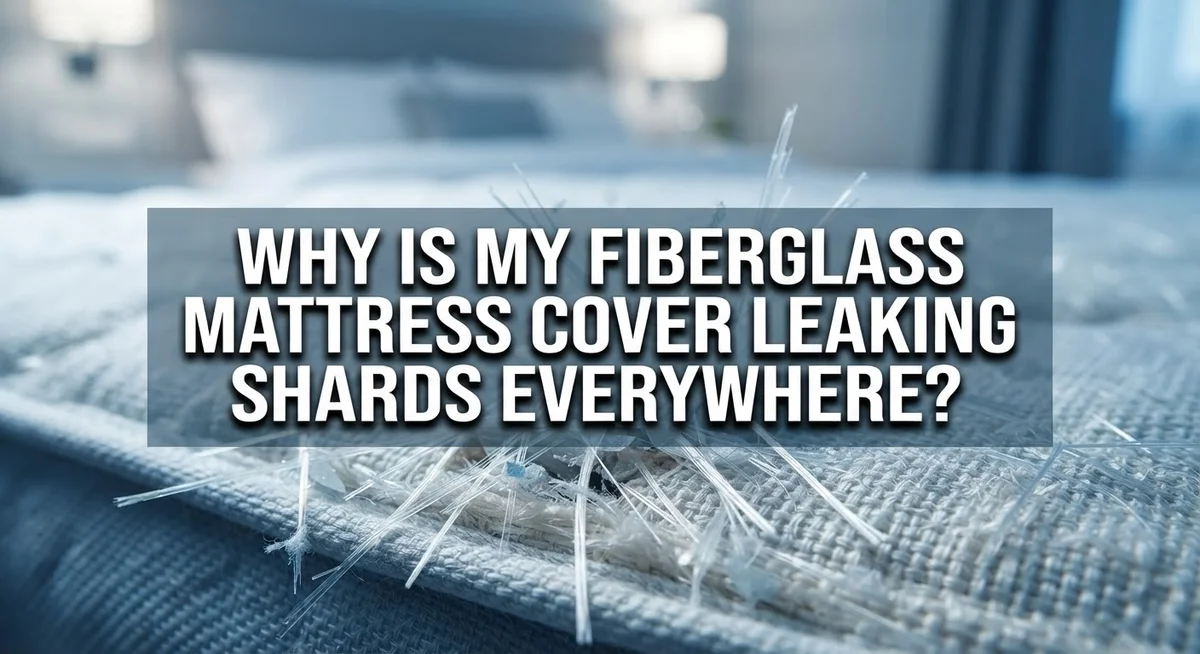
Finding tiny glass shards on your sheets is scary. You unzip your mattress cover and suddenly your skin itches everywhere. This is a common problem with fiberglass mattress covers.
Fiberglass fibers are meant to stay locked inside the cover. But thin materials or tiny tears let them escape. Once they spread, cleanup feels nearly impossible.
These shards are not just annoying. They cause real skin irritation, eye irritation, and throat discomfort. Breathing them in can hurt your airways too.
Many people make the situation worse by accident. They unzip the cover to wash it, thinking that helps. This actually releases more fibers into your room.
In a Nutshell
- Thin covers cause leaks. A weak or damaged cover lets tiny glass fibers escape into your room. Microtears in the fabric are often the hidden culprit.
- It spreads fast. Fiberglass acts like a pest problem. Once it’s loose, it clings to clothes, floors, and furniture.
- It’s harmful to your body. These shards irritate your skin, eyes, and airways. You might feel itching, redness, or a scratchy throat.
- Never unzip the cover. Opening it to wash or inspect it releases even more fibers. This is the biggest mistake people make.
- Bright light helps you spot fibers. Use a strong flashlight or lamp to check your sheets, floor, and furniture. One check is never enough, so inspect the area multiple times.
- Early action limits damage. The faster you contain the spread, the easier cleanup becomes. Treat it seriously from the very first shard you find.
What Causes Fiberglass to Leak From a Mattress Cover
Fiberglass leaks from mattress covers for a few clear reasons. The most common cause is a thin or inadequate cover material. Manufacturers sometimes use covers that are too flimsy to contain the tiny glass fibers inside. These fibers are extremely small, often smaller than a human hair. Even a cover that looks fine to your eye can have microscopic gaps.
Microtears and damage create escape routes for fibers. Your mattress cover gets stressed every time you move on the bed. Zippers can separate slightly. Seams can weaken over time. Fabric can develop tiny holes you cannot see without close inspection. Once these small openings appear, fiberglass fibers find their way out easily.
The cover material itself matters greatly. Some fabrics are woven loosely. Others use synthetic materials that break down faster. Poor quality stitching allows fibers to push through the seams. Even brand new covers can have manufacturing defects that nobody catches before shipping.
Pressure and friction accelerate the leaking process. When you sit or lie on the mattress, you create pressure that pushes fibers outward. Rubbing against the cover creates friction. This constant movement wears down the barrier between you and the fiberglass inside.
Environmental factors play a role too. Heat and humidity can degrade cover materials. Dry air makes fabric more brittle and prone to tearing. Temperature changes cause the cover to expand and contract, stressing the seams.
The bottom line is this: your cover was not designed well enough or has become damaged. Fiberglass should stay locked inside. When it escapes, something has failed in the cover’s protective function. Understanding this helps you take the right steps to contain the problem and prevent future contamination in your bedroom.
Health Risks: Why Fiberglass Shards Are Dangerous
Fiberglass shards pose real health risks that you should take seriously. These tiny fibers are not like regular dust. They have sharp, jagged edges that irritate your body on contact.
Skin irritation happens first. When fiberglass shards touch your skin, they cause itching, redness, and discomfort. Some people develop a rash that looks similar to heat rash or contact dermatitis. The irritation gets worse if you scratch the area, which can break your skin and lead to infection.
Your eyes are extremely vulnerable. Even one tiny fiber in your eye causes significant pain and redness. Fiberglass shards scratch the cornea, which is the clear layer protecting your eye. This damage can blur your vision temporarily. Some people experience tearing and light sensitivity that lasts for hours.
Respiratory irritation affects your nose, mouth, and throat. When you breathe in fiberglass particles, they scratch the delicate tissues inside your airways. You may notice a dry cough, throat soreness, or nasal irritation. People with asthma or other lung conditions face greater risk from inhaling these fibers.
The danger increases if fiberglass spreads throughout your bedroom. Once contamination happens, you breathe in particles while sleeping. This exposure occurs every night until you fully clean your space. Repeated exposure causes ongoing irritation that compounds over time.
Children and pets face higher risk because their skin is more sensitive. They also spend more time on beds and floors where fibers settle. Pets may inhale fibers while grooming or playing on contaminated surfaces.
The key point is this: fiberglass shards are not harmless. They cause physical damage to any tissue they touch. Your body cannot break down or absorb these synthetic fibers. This is why containing the leak immediately matters so much for your health and safety.
How to Confirm You Have a Fiberglass Leak
Confirming a fiberglass leak requires you to look for specific signs in your bedroom. The most obvious indicator is finding tiny glass shards on your sheets, pillow, or blanket. These fibers catch light and sparkle, making them visible under bright conditions.
Start by using a strong flashlight or bright lamp to inspect your sleeping area. Shine the light at an angle across your sheets and mattress surface. Fiberglass shards reflect light differently than regular dust or lint. You will notice small glimmers or sparkles if contamination is present.
Check your floor next, especially around the bed frame and under the mattress. Fiberglass spreads like dust and settles on surfaces quickly. Look at baseboards, nightstands, and furniture near your bed. Pay special attention to corners and edges where fibers accumulate.
Examine your skin for signs of irritation. Fiberglass causes itching, redness, or small scratches on exposed areas. If you wake up with unexplained skin irritation on your arms, neck, or chest, this suggests fiberglass contact during sleep.
Test your mattress cover by running your hand gently over it. Feel for small tears, holes, or thin spots where material has worn down. Do not unzip or open the cover, as this releases more fibers into your room.
Inspect your pillowcase and sheets carefully. Look for visible shards or fibers embedded in the fabric. Sometimes fiberglass collects in seams and creases where you cannot immediately see it.
Perform this inspection multiple times over several days. Fiberglass continues escaping from the mattress, so new contamination appears regularly. One thorough check may miss fibers that emerge later. Repeat your inspection with bright light to catch all affected areas and confirm the leak is real and ongoing.
Step-by-Step: Containing the Contamination Immediately
The moment you confirm fiberglass shards are escaping your mattress cover, you need to act fast. Contamination spreads quickly through your bedroom, so immediate containment stops the problem from getting worse.
Start by isolating the mattress itself. Do not move it around your room or carry it through hallways. Keep the mattress in one location. This prevents fiberglass fibers from traveling to other areas of your home.
Next, stop using the affected mattress immediately. Sleep elsewhere until you resolve this issue. Every night you spend on that mattress spreads more fibers into your sheets, pillows, and surrounding air.
Use bright lighting to inspect every surface near your bed. Fiberglass shards reflect light, making them visible under strong illumination. Check your floor, nightstands, and bedroom walls carefully. Repeat this inspection multiple times because fibers hide in corners and crevices easily.
Protect your respiratory system while in the bedroom. Wear a mask when you must enter the contaminated space. This reduces the risk of breathing in loose fibers that float through the air.
Avoid touching the mattress cover with bare hands. If you must handle it, wear gloves and long sleeves. Do not attempt to wash, vacuum, or aggressively clean the cover itself. These actions release even more fiberglass into your environment.
Keep the bedroom door closed to contain fibers within one space. This stops contamination from spreading to your living room, kitchen, or other bedrooms.
Document which areas show visible fiberglass. Take photos or make notes about affected furniture, bedding, and floor sections. This information helps you focus your cleanup efforts on the places that need the most attention.
The key is simple: minimize movement and disturbance of the contaminated mattress while you plan your next steps. Containment now makes everything easier later.
How to Thoroughly Inspect and Detect Stray Fibers
Finding fiberglass shards requires patience and the right approach. You need bright light to spot these tiny fibers effectively. A flashlight or desk lamp works well for this job.
Start by examining your mattress cover surface. Run your hand slowly across the fabric while shining light directly on it. Look for small white or clear fibers sticking out. Pay special attention to seams and edges where damage often occurs first.
Check your bedding next. Inspect your sheets, pillowcases, and blankets carefully. Fiberglass shards spread easily onto fabric surfaces. Look at both sides of each piece. Repeat this inspection several times because you will miss fibers on your first attempt.
Examine your bedroom floor around the bed frame. Get close to the ground with your flashlight. Look under the bed and along the baseboards. Fiberglass fibers settle on surfaces like dust does. They hide in carpet fibers and collect in corners.
Inspect your skin and hair for irritation or fibers. Use a mirror and good lighting. Check your arms, neck, and chest where contact happens most. Small red spots or itching tells you fibers have reached your body.
Document everything you find. Note which areas have visible fibers. Take photos if possible. This helps you track contamination spread and plan cleanup efforts.
Repeat your inspection multiple times over several days. New fibers appear as the mattress cover continues breaking down. Each inspection reveals areas you missed before. This pattern continues until you address the root cause.
Never unzip the mattress cover to inspect the inside. Opening zippers accelerates fiber release significantly. Keep the cover sealed during your inspection process. Treat this like containing a spill rather than investigating it. Your goal is detection without making the problem worse.
Mistakes That Make Fiberglass Contamination Worse
Unzipping your mattress cover to wash it is the single worst mistake you can make. Opening that zipper creates a direct pathway for fiberglass shards to escape into your bedroom. Once you disturb the cover, contamination spreads rapidly across your floor, bedding, and air.
Assume one inspection will find everything—this is false. Fiberglass fibers are tiny and difficult to spot. They hide in carpet fibers, under furniture, and on surfaces you think you already cleaned. You need to inspect your room multiple times over several days using bright lighting each time. Each inspection reveals fibers you missed before.
Inadequate cover protection from the start compounds your problem. Thin mattress covers allow shards to migrate through the material slowly. Microtears in the cover fabric create small openings where fibers escape continuously. You cannot reverse this damage once it happens.
Treating this contamination casually makes everything worse. Many people ignore early signs of irritation or small visible fibers. They continue sleeping on the mattress, moving around, and disturbing the cover. This movement releases more shards into the air and onto surfaces. The contamination spreads like a pest problem—it only gets bigger without action.
Failing to isolate the mattress immediately allows fibers to travel throughout your home. Family members track fiberglass shards from your bedroom into other rooms on their clothing and skin. This extends the cleanup process significantly and exposes more people to irritation.
The core mistake is underestimating how easily fiberglass spreads. People assume they can manage the problem gradually or handle it themselves without special precautions. This approach leads to prolonged exposure and wider contamination. Acting fast and decisively from the moment you confirm the leak prevents these problems from escalating.
Troubleshooting: When Fibers Keep Reappearing
When fiberglass shards keep reappearing in your bed and room, you’re dealing with a persistent contamination problem. The fibers don’t vanish after one cleanup because they’re extremely small and sticky. They cling to fabric, skin, and air surfaces easily.
The fibers hide in unexpected places. Check your pillowcases multiple times because shards work their way into fabric weaves. Inspect your mattress pad or topper if you use one. Look at your bed frame’s crevices and joints. Fiberglass settles in corners and under furniture where air movement is minimal.
Your bedroom air itself may contain floating fibers. This means new shards can land on clean surfaces days after your initial cleanup. Open windows only slightly to avoid creating air currents that spread contamination. Use bright lighting during inspections because fiberglass reflects light and becomes visible under proper illumination.
Repeat inspections are essential. Check your room every few days for the first two weeks. Mark areas where you find fibers so you can focus cleanup efforts there. This pattern helps you understand how the contamination moves through your space.
Your skin can recontaminate your bed if you don’t wash regularly. Take showers before bed and change into clean clothes. This simple step prevents you from transferring fibers back onto your bedding.
Vacuuming helps but isn’t a complete solution. Use a vacuum with a HEPA filter if possible, as regular filters let tiny fibers escape back into the air. Vacuum slowly and methodically rather than quickly rushing through the room.
The key is accepting this takes time. Fiberglass contamination doesn’t resolve in one day. Expect to manage cleanup efforts for several weeks. Stay consistent with inspections and cleaning. Your patience now prevents future irritation and health problems.
Final Thoughts
A leaking fiberglass mattress cover is a serious problem. It spreads fast and hides well. You must act early to protect your health and your home.
Never unzip the cover. This single action causes most contamination cases. Keep the cover sealed and handle the mattress with care from now on.
Bright light checks remain your best tool. Fibers catch light differently than dust or hair. Make this inspection a regular habit, not a one time task.
Think of this like a pest problem. Fiberglass acts similar to bed bugs. It clings to fabric, skin, and air. Patience and repetition are your only real weapons.
Your skin and eyes will tell you if fibers are still present. Watch for redness, itching, or irritation in your throat and nose too. These signs mean fibers remain active in your space.
Documentation matters more than people realize. Write down where you find shards each time. This helps you see patterns and catch problem zones you might otherwise miss.
Do not rush this process. Fiberglass contamination takes weeks to fully clear in most homes. Expect setbacks and repeat cleanings before you see real progress.
Isolation is key if you suspect a major leak. Keep the mattress away from other soft surfaces until you confirm the spread has stopped completely.
Small steps add real value here. Wash your sheets often. Vacuum daily. Check your body and hair before touching other furniture or bedding.
The goal is simple: stop the spread, then clean thoroughly. Rushing either step only makes the contamination worse and harder to control.
With steady effort, you can bring this problem under control. Stay alert, stay consistent, and trust the process even when progress feels slow.
Frequently Asked Questions
What causes fiberglass shards to leak from my mattress cover?
Fiberglass shards escape through thin covers or tiny tears in the fabric. The material inside your mattress contains fiberglass fibers designed for insulation. When the outer cover weakens or develops microtears, these fibers work their way out into your bed and room.
Poor quality covers fail faster than expected. Even small holes allow shards to spread continuously. Once leaking starts, the problem grows quickly without intervention.
Is fiberglass leaking from my mattress actually dangerous?
Yes, fiberglass shards cause real health problems. The tiny fibers irritate your skin, eyes, and respiratory tract when you breathe them in.
You may notice itching, redness, or scratchy sensations in your nose and throat. Eye irritation happens easily since fibers are nearly invisible. The longer you’re exposed, the more symptoms develop. This isn’t just uncomfortable—it’s a genuine health concern requiring immediate action.
Can I wash my mattress cover to fix the leak?
No. Unzipping your cover to wash it makes everything worse. Opening the zipper releases thousands of fibers into your room at once.
This single action spreads contamination far beyond your mattress. You’ll find shards in your pillows, bedding, and throughout your bedroom. Avoid disturbing the cover at all costs once you notice leaking.
How do I know if fiberglass fibers are still in my room?
Use bright light to inspect every surface carefully. Fiberglass shards catch light and become visible under strong illumination.
Check your pillowcases, sheets, and bedroom corners multiple times. Fibers hide in unexpected places like curtains, lampshades, and air vents. Repeat inspections every few days for two weeks minimum. Your skin will also signal their presence through irritation and itching.

Hi, I’m Ava Day, the founder and lead writer at Cozy Bed Vault. I’m passionate about sleep wellness and dedicated to helping people find their perfect mattress. Through honest reviews, detailed comparisons, and expert buying guides, I simplify the mattress shopping experience so you can sleep soundly every night.