What Attracts Bed Bugs to a Mattress? Causes and Solutions
You wake up with small, itchy red welts on your arms and legs. You pull back your sheets and notice tiny dark spots along your mattress seams. Your stomach drops. Bed bugs.
These tiny, flat, reddish brown insects are one of the most dreaded household pests, and your mattress is their favorite place to hide. But what exactly draws them there? The answer might surprise you because it has nothing to do with how clean your home is.
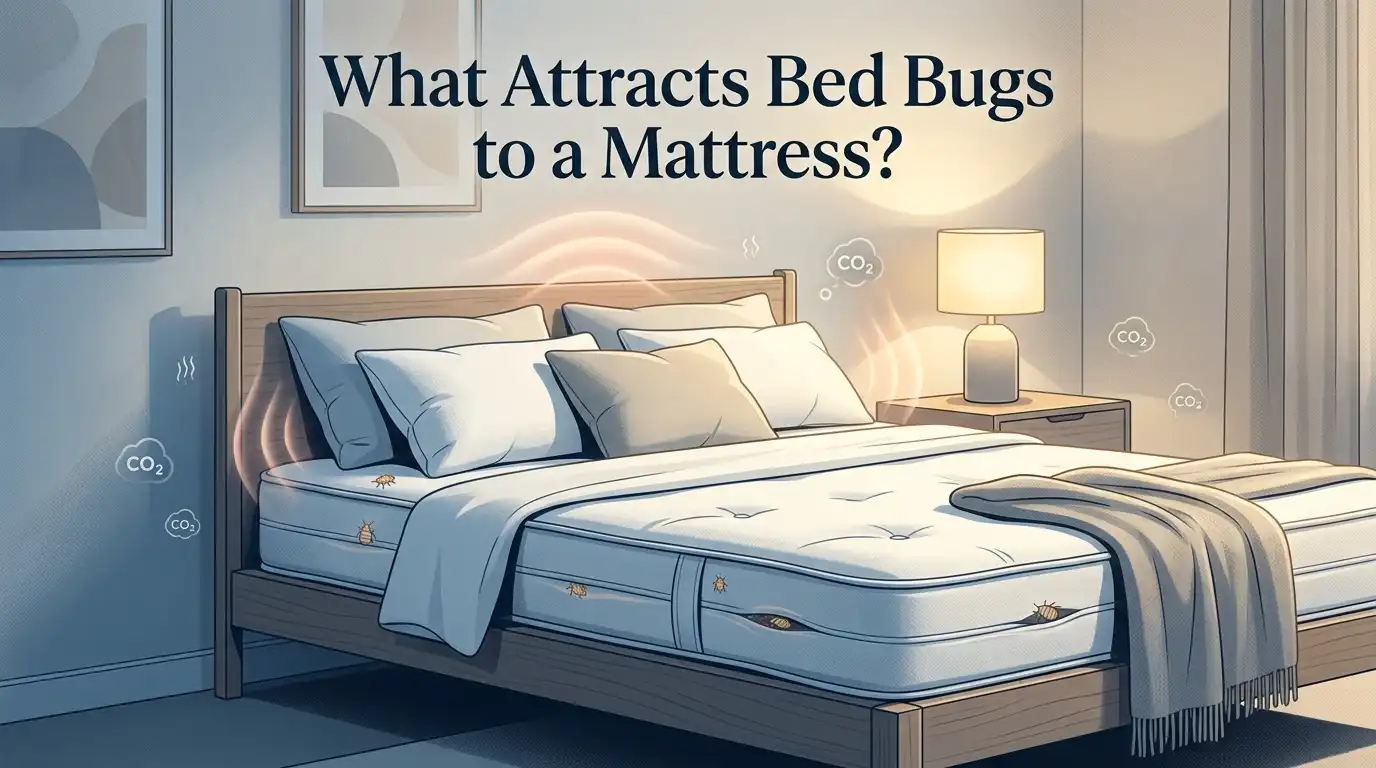
Bed bugs do not care about dirt, clutter, or hygiene. They care about you. Your body heat, the carbon dioxide you exhale, and the blood flowing through your veins are the real reasons they settle into your mattress. Understanding what attracts them is the first step to keeping them away for good.
In a Nutshell
- Bed bugs are attracted to body heat and carbon dioxide, not dirt or mess. Every sleeping human produces the two signals bed bugs use to find a host. Your mattress sits right next to these signals for hours each night, making it the ideal hiding spot.
- Dark, tight spaces in your mattress give bed bugs shelter. Mattress seams, piping, tufts, and folds create perfect hiding spots where bed bugs can stay close to a food source and remain undetected during the day.
- Used furniture and travel are the top ways bed bugs enter your home. They do not appear from thin air. Bed bugs hitchhike on luggage, clothing, and secondhand mattresses. A single pregnant female can start an entire infestation.
- Early detection saves you time and money. Small blood stains on sheets, dark fecal spots on the mattress, and a sweet musty odor are the earliest warning signs. Catching them early makes treatment much simpler.
- Heat treatment is the most effective removal method, with success rates above 95% when done correctly. Bed bugs and their eggs die at sustained temperatures of 118°F (48°C) or higher.
- Prevention is easier than treatment. Mattress encasements, regular inspections, and careful travel habits can stop bed bugs before they ever reach your bed.
How Body Heat Draws Bed Bugs to Your Mattress
Bed bugs are heat seeking pests. They can detect the warmth your body gives off from several feet away. When you sleep, your body radiates a consistent temperature of around 98.6°F. This warmth creates a thermal signal that tells bed bugs a meal is nearby.
Your mattress absorbs and retains this heat throughout the night. The foam, fabric, and padding hold warmth for hours, making the mattress feel like a warm beacon to bed bugs hiding nearby. This is why bed bugs prefer mattresses over cooler areas of your home.
They tend to settle in the parts of the mattress closest to where you sleep. The seams near your pillow and torso area often show the heaviest infestations because these zones are warmest. Reducing heat retention alone will not eliminate bed bugs, but understanding this attraction helps explain their behavior.
Why Carbon Dioxide Is a Major Bed Bug Magnet
Every time you exhale, you release carbon dioxide. Bed bugs have specialized sensors that detect CO2 from several feet away. This gas acts as a long range signal, guiding them from their hiding spots to your sleeping body.
During sleep, you breathe steadily for six to eight hours. This creates a consistent plume of carbon dioxide right above your mattress. Bed bugs follow this plume like a trail, moving from crevices in the bed frame or headboard straight to your mattress surface.
Research confirms that CO2 is one of the strongest attractants for bed bugs. Pest control professionals even use CO2 traps to monitor infestations. The higher the concentration of carbon dioxide in a room, the more active bed bugs become. Rooms with poor ventilation can make this problem worse because the gas stays concentrated near the bed.
The Role of Human Scent and Skin Chemicals
Your body produces dozens of chemical compounds while you sleep. Bed bugs are attracted to specific chemicals found in human sweat, skin oils, and blood. Substances like lactic acid, ammonia, and certain fatty acids act as short range attractants.
Once a bed bug gets close enough through heat and CO2 signals, these skin chemicals help it pinpoint the exact feeding location. Dirty laundry piled near the bed can also attract bed bugs because it carries these same chemical signatures.
A study from the University of Sheffield found that bed bugs are drawn to worn clothing over clean clothing. This means leaving sweaty clothes near your bed can increase your risk. Keeping dirty laundry in a sealed bag or hamper away from your sleeping area is a simple but effective habit.
Why Mattress Seams and Crevices Are Perfect Hiding Spots
Bed bugs are flat, oval shaped insects about the size of an apple seed. Their thin bodies allow them to squeeze into incredibly tight spaces. Mattress seams, piping, tufts, and zippers provide exactly the kind of shelter they need.
These tight spots offer three things bed bugs want: darkness, protection, and close access to a food source. Bed bugs are nocturnal feeders. They hide during the day and emerge at night. The structure of a typical mattress gives them dozens of hiding spots within inches of your skin.
Pros of inspecting mattress seams regularly: You can catch an infestation early before it spreads to other rooms. You need no special tools since a flashlight and a credit card to probe seams work well. Cons: Eggs and tiny nymphs are very small and easy to miss with the naked eye. Heavy infestations can exist deep inside the mattress where visual inspection cannot reach.
How Used Furniture and Travel Spread Bed Bugs
Bed bugs do not fly or jump. They spread by hitchhiking on objects. Secondhand mattresses, sofas, and bed frames are among the most common sources. A used mattress from a yard sale or curbside can carry hundreds of bugs and eggs hidden inside.
Travel is the other major pathway. Hotels, motels, hostels, and vacation rentals see constant guest turnover. Bed bugs climb into luggage, clothing, and personal items during a stay. You can bring them home without ever knowing it. A single fertilized female bed bug can produce up to 500 eggs in her lifetime.
Pros of buying new furniture: You eliminate the risk of inheriting someone else’s infestation. Cons: New furniture is more expensive. Even new items can pick up bed bugs during delivery if the truck or warehouse is infested. Always inspect deliveries carefully before bringing them inside.
Early Warning Signs of Bed Bugs on Your Mattress
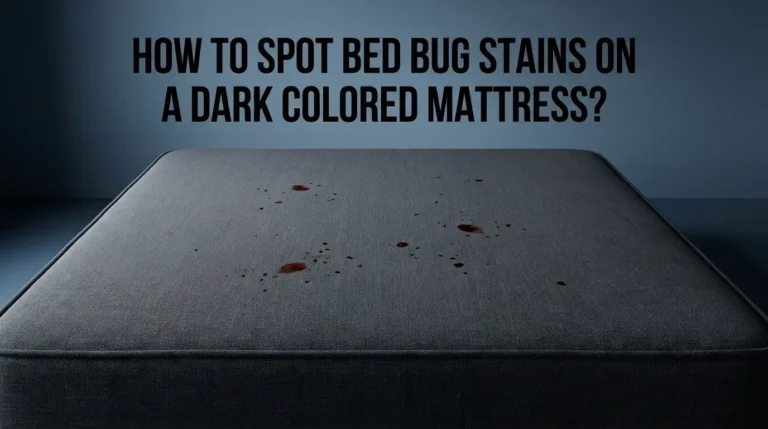
Catching bed bugs early makes treatment faster and cheaper. The first sign is often small, rust colored stains on your sheets. These stains come from bed bugs that were crushed after feeding or from their fecal matter.
Look for tiny dark spots along mattress seams and corners. These spots are bed bug droppings and will smear if you wipe them with a damp cloth. You may also find pale, translucent shells that nymphs shed as they grow. Bed bug eggs look like tiny white grains about the size of a pinhead.
A sweet, musty odor in the bedroom can indicate a larger infestation. Bed bugs release pheromones, and the smell becomes noticeable as their numbers grow. If you wake up with itchy, red welts arranged in a line or cluster, bed bugs are a likely cause. Check your mattress immediately with a flashlight and inspect all seams, edges, and the underside.
Heat Treatment: The Most Effective Way to Kill Bed Bugs
Professional heat treatment is widely regarded as the gold standard for bed bug removal. It works by raising the temperature of an entire room to between 120°F and 140°F (49°C to 60°C) for several hours. At 118°F, bed bugs and their eggs die within 90 minutes.
Heat penetrates into mattress cores, wall voids, and furniture where sprays and powders cannot reach. This is what makes it so effective against hidden bugs and eggs. Studies show success rates above 95% for properly conducted heat treatments.
Pros of heat treatment: It kills all life stages, including eggs, in a single session. No chemical residue is left behind. It can treat an entire room at once. Cons: Professional heat treatment costs between $1,000 and $2,500 per room. Extreme heat can damage certain electronics, candles, and heat sensitive items if they are not removed beforehand. DIY heat methods using household tools are generally unreliable and can create fire hazards.
Using Diatomaceous Earth as a Natural Bed Bug Killer
Diatomaceous earth (DE) is a fine powder made from fossilized aquatic organisms. It works by damaging the waxy outer layer of a bed bug’s body, which causes them to dehydrate and die. It is a mechanical killer, not a chemical one.
Apply a very thin, even layer of food grade DE in cracks, crevices, along baseboards, and around bed legs. A light dusting is more effective than a thick pile. Bed bugs will avoid large mounds of powder. The bugs must walk through the DE for it to work.
Pros of diatomaceous earth: It is low cost and widely available. It contains no toxic chemicals. It remains effective as long as it stays dry. Cons: It works slowly and can take one to two weeks to kill bed bugs. It does not kill eggs. Humid conditions reduce its effectiveness. It should not be inhaled, so wear a mask during application. DE alone will not eliminate a full infestation but works well as a supplemental method alongside other treatments.
Steam Cleaning Your Mattress to Eliminate Bed Bugs
A steam cleaner that produces steam at or above 130°F (54°C) can kill bed bugs and eggs on contact. Steam penetrates mattress fabric and reaches bugs hiding just below the surface. This makes it a useful DIY tool for direct treatment.
Move the steam nozzle slowly across every mattress seam, edge, and surface. Speed matters here. Moving too quickly will not transfer enough heat to kill the bugs. Aim for about one inch of movement per second across the surface.
Pros of steam cleaning: It kills bugs and eggs without chemicals. You can target specific areas of the mattress. Home steam cleaners are reusable for other cleaning tasks. Cons: Steam only kills bugs it directly contacts. It does not reach deep inside a thick mattress. Excess moisture can promote mold growth if the mattress is not dried properly. You may need multiple sessions to address the entire infestation.
Mattress Encasements: Your First Line of Defense
A mattress encasement is a zippered cover that completely seals your mattress. It traps any existing bed bugs inside, preventing them from feeding and eventually starving them. It also blocks new bed bugs from burrowing into your mattress.
Choose an encasement specifically tested and certified for bed bug protection. The zipper teeth must be small and tightly spaced so even tiny nymphs cannot escape. Leave the encasement on for at least one full year. Bed bugs can survive up to 12 months without a meal under certain conditions.
Pros of mattress encasements: They protect your mattress from infestation. They make future inspections easier because bugs cannot hide inside the mattress. They are affordable and easy to install. Cons: They do not kill bed bugs already outside the mattress. A torn or poorly sealed encasement is useless. They must remain in place for a long time to be fully effective. Encasements work best as a prevention and containment tool rather than a standalone solution.
Vacuuming and Washing: Simple Steps That Make a Big Difference
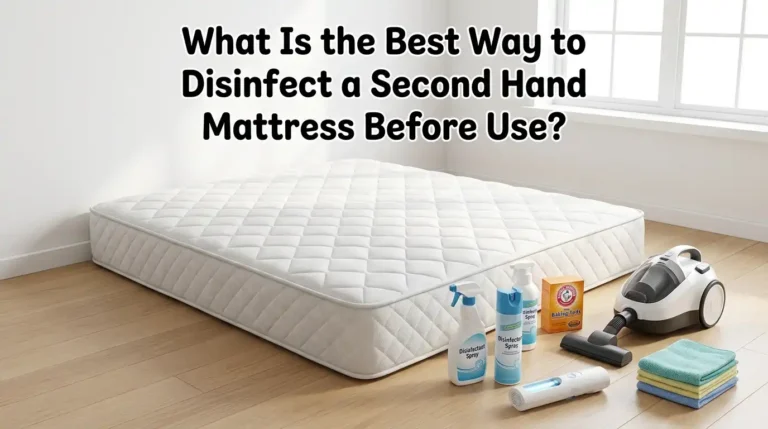
Regular vacuuming can physically remove bed bugs, nymphs, and eggs from your mattress surface. Use a vacuum with strong suction and a crevice attachment to reach seams, folds, and edges. After vacuuming, immediately seal the vacuum bag or empty the canister into a sealed plastic bag and dispose of it outside.
Wash all bedding, pillowcases, and blankets in hot water at 130°F (54°C) or higher. Then dry them on the highest heat setting for at least 30 minutes. This combination of hot water and high heat kills bed bugs at every life stage.
Make this part of your regular cleaning routine. Weekly vacuuming and biweekly hot washing of bedding can dramatically reduce your risk. These steps are free or low cost and require no special equipment. They will not eliminate a large infestation on their own, but they remove a significant number of bugs and eggs each time you do them.
How to Prevent Bed Bugs From Ever Reaching Your Mattress
Prevention is always easier and cheaper than treatment. Start by inspecting hotel rooms before unpacking. Check mattress seams, headboards, and furniture near the bed. Keep your luggage on a metal rack away from the bed and walls.
When you return home from a trip, wash and dry all clothing on high heat before putting it away. Inspect any secondhand furniture carefully before bringing it indoors. Avoid picking up mattresses, couches, or bed frames from the curb or unknown sources.
At home, reduce clutter around your bed. Bed bugs use clutter as hiding spots. Keep your bed away from walls if possible. Install interceptor traps under bed legs to catch bugs trying to climb up. Seal cracks and gaps in walls, baseboards, and electrical outlets near your bed. These simple habits create multiple barriers between bed bugs and your mattress.
When to Call a Professional Pest Control Service
DIY methods work well for small, early stage infestations. But if you are still finding live bed bugs after two to three weeks of consistent treatment, it is time to call a licensed pest control professional.
Professionals have access to commercial grade heat equipment, residual insecticides, and monitoring tools that are not available to consumers. They can also identify the full scope of an infestation, including bugs hiding in walls, furniture, and electrical outlets.
Pros of professional treatment: Higher success rates, especially with heat treatment. Experienced technicians know where bed bugs hide. Many companies offer follow up inspections and guarantees. Cons: Professional treatment is more expensive, often costing several hundred to several thousand dollars depending on the method and severity. You may need to prepare your home by removing or protecting certain items before treatment.
Do not delay calling for help if your infestation is growing. Bed bugs reproduce quickly, and a small problem can become a large one within weeks. An early professional intervention can save you both money and stress in the long run.
Frequently Asked Questions
Do bed bugs only live in dirty homes?
No. Bed bugs are not attracted to dirt or filth. They are attracted to warmth, carbon dioxide, and blood. Clean homes, luxury hotels, and well maintained apartments can all have bed bug infestations. Clutter can give them more hiding spots, but cleanliness alone does not prevent them.
Can bed bugs live in a mattress that has an encasement?
Bed bugs already inside the mattress when the encasement is installed will be trapped. They cannot feed through the encasement and will eventually die. However, bed bugs can still live on the outside surface of an encasement or in other parts of the room. An encasement protects the mattress but does not eliminate bugs elsewhere.
How quickly can bed bugs infest a mattress?
A single pregnant female can lay one to five eggs per day. Within a few weeks, a small number of bed bugs can grow into a noticeable infestation. Under ideal conditions, populations can double every 16 days. Early detection is critical to preventing rapid spread.
Does leaving the lights on at night keep bed bugs away?
No. While bed bugs prefer darkness, they will feed with the lights on if they are hungry enough. Leaving lights on is not an effective deterrent. Their drive to feed on blood overrides their preference for dark conditions.
What temperature kills bed bugs instantly?
Bed bugs die at sustained temperatures of 118°F (48°C) or higher. At this temperature, adults die within about 20 minutes and eggs require about 90 minutes. Professional heat treatments typically raise room temperatures to 120°F to 140°F to ensure complete elimination throughout the space.
Can I get rid of bed bugs without throwing away my mattress?
Yes, in most cases. Heat treatment, steam cleaning, vacuuming, and mattress encasements can save your mattress. Throwing away a mattress is usually unnecessary and can actually spread the infestation if the mattress is not wrapped and sealed during disposal. Focus on treatment before considering replacement.

Hi, I’m Ava Day, the founder and lead writer at Cozy Bed Vault. I’m passionate about sleep wellness and dedicated to helping people find their perfect mattress. Through honest reviews, detailed comparisons, and expert buying guides, I simplify the mattress shopping experience so you can sleep soundly every night.