Why Is My Bed Feeling Colder On One Side Than The Other?
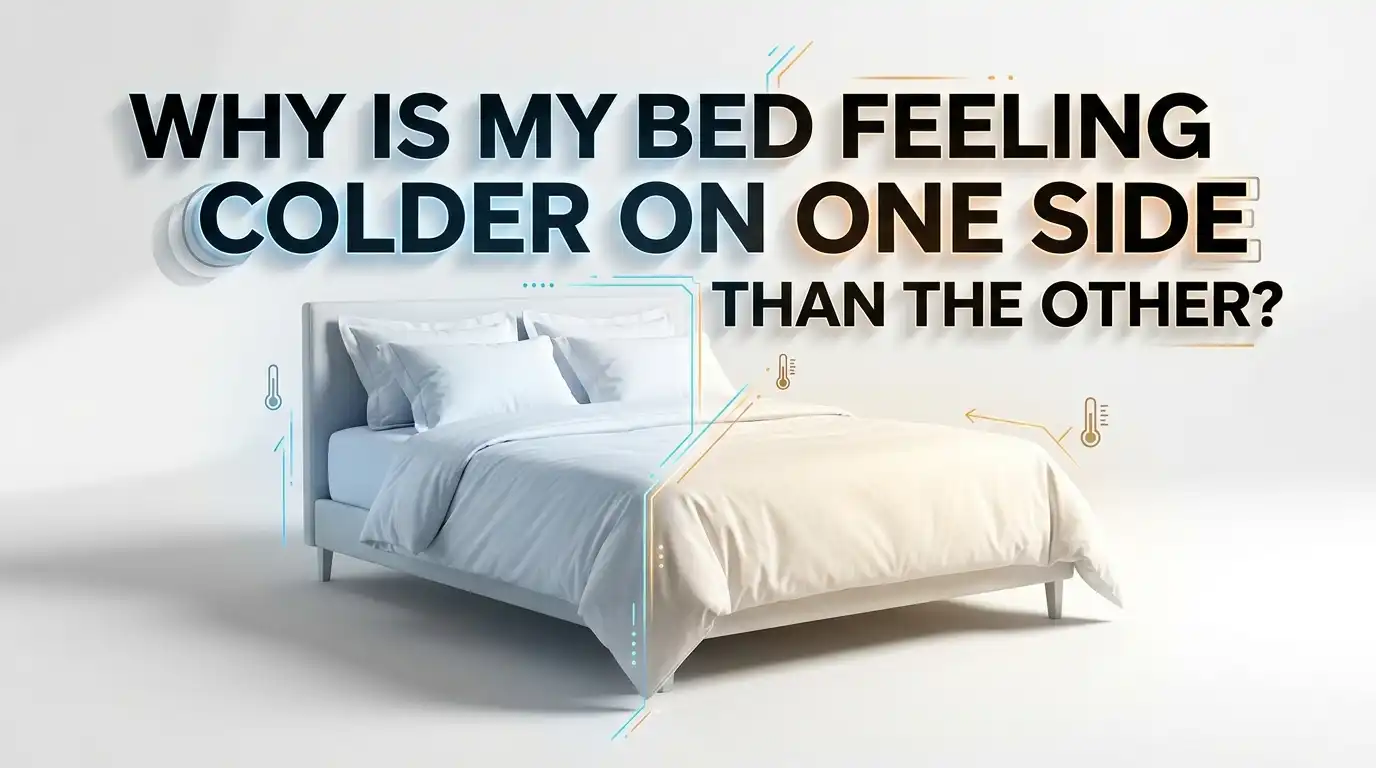
You climb into bed and notice something strange. One side feels warm and cozy. The other side feels cold and unwelcoming. You shift around, but the chill stays put.
This problem is more common than you think, and it has real, fixable causes. A cold side of the bed can ruin your sleep, leave you tossing all night, and make winter mornings miserable.
The good news is simple. You can find the cause and fix it fast. This guide breaks down every reason your bed feels colder on one side. It gives you clear, step by step solutions you can use tonight. Let us solve this chilly mystery together.
Key Takeaways
- Room layout matters most. A bed placed near a window, exterior wall, or door often has one cold side because outside air cools that spot more than the rest of the bed.
- Drafts are sneaky. Cold air slips through gaps in windows, vents, and door frames, and it pools on the nearest side of your mattress.
- Your mattress reacts to temperature. Memory foam and other foams get firmer and colder in cool air, so the side away from your body heat stays chilly longer.
- Heating gaps create cold zones. A blocked vent, weak radiator, or poor insulation can leave one half of the room and bed colder.
- Simple fixes work. You can move the bed, seal drafts, add layered bedding, or use a dual zone heated pad to balance the warmth on both sides.
- Start cheap and easy. Try free fixes first, like rearranging furniture and closing gaps, before spending money on heating gear.
What Makes One Side Of A Bed Colder Than The Other
A cold side of the bed always has a cause. Heat moves from warm areas to cold areas. When one side of your bed sits closer to a cold source, it loses heat faster. That side feels chilly while the other stays warm.
The cold source could be a window, an exterior wall, a vent, or a door. Your body heat warms the side you sleep on, but the empty side cools down quickly. This is why your partner’s empty space often feels icy.
Your mattress material plays a role too. Foam reacts to air temperature. Cold rooms make foam stiffer and colder. Once you know the source, the fix becomes clear. The rest of this guide covers each cause and the exact steps to solve it.
How Cold Windows Create A Chilly Bed Side
Windows are the most common reason for a cold side. Glass is a poor insulator. It lets heat escape and lets cold air seep in. If one side of your bed sits near a window, that side will always feel colder.
Cold air near a window also sinks and spreads across the floor. This creates a cool zone that reaches the closest part of your mattress. Older windows with weak seals make this worse.
Here is what you can do. Check the window for drafts by holding your hand near the frame. Seal any gaps with weatherstripping or caulk. Hang thick, lined curtains and keep them closed at night.
Pros: Sealing windows is cheap, lasts for years, and lowers your heating bill.
Cons: Caulking takes some effort, and very old windows may need full replacement for a complete fix.
Why Exterior Walls Cool One Side Of Your Bed
Exterior walls touch the cold outside air. Interior walls do not. If your bed sits against an exterior wall, that side absorbs the cold from the wall. The heat from your body drains into the cold surface all night.
This effect feels stronger in older homes with thin or settled insulation. Brick, concrete, and uninsulated walls pull heat away fast. You may even notice the wall itself feels cold to the touch.
You have a few easy options. Pull the bed a few inches away from the wall to create an air gap. Hang a thick blanket, tapestry, or quilt on the wall behind the bed.
Pros: A wall hanging adds warmth, looks nice, and costs little.
Cons: It does not fix the root insulation problem, and a small bedroom may not have space to move the bed.
How Drafts From Doors And Vents Cause Cold Spots
Drafts are sneaky troublemakers. Cold air pushes through gaps around doors, vents, and floorboards. It then drifts toward the nearest side of your bed. You may not feel the breeze, but your mattress does.
A door that does not seal well lets a steady stream of cold air in. Air vents that blow cold air or sit too close to the bed create the same problem. Even a small gap matters over a long night.
Walk around your room and feel for moving air near doors and vents. Use a draft stopper at the base of the door. Add weatherstripping around the frame. Redirect or close a vent that aims at your bed.
Pros: Stopping drafts is fast, low cost, and improves comfort right away.
Cons: You may need to test a few spots before you find every leak.
Why Your Mattress Material Feels Colder On One Side
Your mattress reacts to temperature more than you realize. Memory foam and polyfoam get firmer and colder in cool air. The side you do not sleep on stays cold because no body heat warms it.
When you lie down, your body heat softens and warms your side. The empty side keeps the room’s chill, so it feels colder by comparison. This is normal and happens with most foam mattresses.
You can balance this out. Use a mattress topper made of wool or cotton, since these hold warmth better than bare foam. Flip or rotate your mattress now and then for even wear.
Pros: A warm topper is easy to add and helps both sides feel cozy.
Cons: Foam still reacts to room temperature, so a cold bedroom will always cool the empty side somewhat.
How Uneven Room Heating Leaves One Side Cold
Your heating system might not warm the whole room evenly. A blocked vent, a weak radiator, or poor airflow can leave one corner colder. If your bed sits in that cooler corner, one side stays chilly.
Furniture often blocks vents and radiators without you noticing. Heat cannot reach the bed if a dresser or curtain sits in front of the source. Dirty filters also reduce warm airflow to the room.
Check that your vents and radiators are open and clear. Move furniture away from heat sources. Replace your HVAC filter if it looks dirty. Consider a small space heater for very cold corners, used safely.
Pros: Clearing vents costs nothing and improves heating across the room.
Cons: Space heaters raise your energy bill and need careful, safe placement.
Why The Empty Side Of The Bed Always Feels Coldest
Many people notice the empty side of the bed feels icy. This happens because no body heat warms that space. Your side stays warm from your own body. The other side cools to room temperature.
This effect grows stronger in cold bedrooms. The gap between the warm and cold side widens the cooler your room gets. It is also why single sleepers feel the spread chill the most.
You can warm the empty side before bed. Place a hot water bottle on the cold side a few minutes before you lie down. Use an electric blanket set to low on that half.
Pros: Pre warming the bed feels lovely and uses little energy.
Cons: Hot water bottles cool down overnight, so they only help for the first hour or two.
How To Find The Exact Cause Of Your Cold Side
Before you fix the problem, find the real cause. A quick check saves you time and money. Start by standing in your bedroom and noticing where the cold side faces.
Hold your hand near windows, walls, doors, and vents. Feel for moving air, cold surfaces, or temperature drops. A simple room thermometer can show you which corner runs colder.
Follow these steps. First, note the side that feels cold. Second, check what sits next to it, like a window or wall. Third, test for drafts with your hand or a lit candle held safely. Fourth, touch the wall to see if it feels cold.
Pros: This method is free and gives you a clear answer.
Cons: It takes a little patience, and some causes may overlap.
Easy Free Fixes You Can Try Tonight
You do not always need to spend money. Many cold side fixes cost nothing. Start with these before you buy anything. Small changes often make a big difference.
Move your bed a few inches away from cold walls and windows. Close curtains and blinds at night to trap warmth. Clear any furniture blocking your vents or radiator.
Here are more quick wins. Roll a towel and place it at the base of your door to block drafts. Layer your existing blankets, since several thin layers trap more heat than one thick one. Keep your bedroom door closed to hold heat in.
Pros: These fixes are instant, free, and easy to undo if needed.
Cons: They may not fully solve a strong draft or a badly insulated wall on their own.
Best Bedding Choices To Balance Both Sides
The right bedding makes both sides of your bed feel warm. Material and layering matter most. Some fabrics trap heat far better than others.
Wool and flannel sheets hold warmth well and feel soft. Down or down alternative comforters trap a thick layer of warm air around you. A mattress topper adds insulation under your body too.
Try this layering method. Put a fitted flannel sheet on first. Add a wool or fleece blanket as a middle layer. Top it with a warm comforter. This traps heat across the whole bed, not just your side.
Pros: Good bedding helps every night and needs no power or setup.
Cons: Heavy layers can feel too warm in spring, so you may need to swap them out by season.
When To Use A Heated Blanket Or Dual Zone Pad
Sometimes heated bedding is the best answer. A heated blanket or dual zone pad warms your bed directly. This works well when one person sleeps cold and the other sleeps warm.
A dual zone heated mattress pad lets each side set its own temperature. You can warm the cold side without overheating the other. Many models have timers and auto shut off for safety.
Here is how to use one well. Turn it on ten minutes before bed to pre warm the sheets. Set the cold side higher than the warm side. Use the timer so it shuts off after you fall asleep.
Pros: Dual zone control solves the cold side problem directly and suits couples.
Cons: Heated bedding adds to your power bill, and some people dislike sleeping on electric layers.
How To Insulate Walls And Windows Near Your Bed
For a lasting fix, improve the insulation near your bed. This stops the cold at its source. It costs more upfront but pays off over many winters.
Add foam board insulation behind a headboard against a cold wall. Apply thermal lined curtains over windows to block heat loss. A window insulation film kit creates an extra air barrier on the glass.
Follow these steps for windows. Clean the glass and frame first. Apply the film kit according to its directions. Seal any frame gaps with weatherstripping before you add curtains.
Pros: Proper insulation cuts cold for good and lowers heating costs.
Cons: Some jobs need tools and time, and full wall insulation may require a professional.
Smart Bed Placement Tips To Avoid Cold Sides
Where you place your bed changes everything. The right spot keeps both sides warm. A few smart moves can solve the problem without any gear.
Keep the bed away from windows and exterior walls when you can. Place it against an interior wall, which stays warmer. Avoid putting your bed directly in the path of a door or vent draft.
Try this approach. Map out the cold sources in your room. Position the bed so neither side faces a window or cold wall. Leave a small gap between the bed and any outside wall.
Pros: Good placement is free and fixes the problem at the root.
Cons: Small rooms limit your options, so you may need to combine this with other fixes.
Frequently Asked Questions
Why does the empty side of my bed feel so cold?
The empty side feels cold because no body heat warms it. Your side stays warm from your own body, while the other side cools to room temperature. This gap grows wider in colder bedrooms. Pre warming that side with a hot water bottle or low electric blanket helps a lot.
Can my mattress cause one side to feel colder?
Yes, it can. Foam mattresses get firmer and colder in cool air. The side you do not sleep on holds the room’s chill since no body heat warms it. A wool or cotton topper helps both sides feel warmer and reduces the cold foam feel.
Is it normal for the side near a window to feel cold?
Yes, this is very common. Glass is a poor insulator and lets cold air in. The side near a window almost always feels colder. Seal the window gaps, hang thermal curtains, and keep them closed at night to block the chill.
Will moving my bed fix the cold side problem?
Often, yes. Moving the bed away from windows and exterior walls reduces heat loss. Placing it against an interior wall keeps both sides warmer. If your room is small, combine this with sealing drafts and adding warm bedding for the best result.
Are dual zone heated pads worth it for a cold side?
They can be very helpful. A dual zone pad lets you warm the cold side without overheating the other. This suits couples with different temperature needs. Just remember it adds to your power bill, so try free fixes first before buying one.
How do I find where the cold air is coming from?
Hold your hand near windows, doors, walls, and vents to feel for moving air. A lit candle held safely will flicker where drafts enter. Touch the walls to check if they feel cold. A room thermometer can also show which corner runs colder.

Hi, I’m Ava Day, the founder and lead writer at Cozy Bed Vault. I’m passionate about sleep wellness and dedicated to helping people find their perfect mattress. Through honest reviews, detailed comparisons, and expert buying guides, I simplify the mattress shopping experience so you can sleep soundly every night.