How to Prevent Fiberglass From Escaping a Cheap Mattress Cover?
Cheap mattresses often hide a sharp little secret inside their layers. That secret is fiberglass, a fine glass fiber used as a flame barrier.
It sits under the outer cover and stays put as long as the cover stays sealed. The trouble starts when the cover rips, the zipper opens, or the fabric wears thin.
Once those tiny shards escape, they can float through your home and stick to clothes, carpets, and skin. They can irritate your eyes, lungs, and throat. The good news is that you can stop this from happening with a few smart steps.
Key Takeaways
- Never unzip the original mattress cover. The fiberglass sits right under that fabric. Once you open the zipper, the fibers can spread through your whole bedroom in minutes.
- Add a full zippered encasement over the mattress as your first line of defense. A six sided encasement traps loose fibers and stops them from leaking onto your sheets or floor.
- Inspect your mattress every month for small tears, thin spots, or open seams. Catching damage early is much easier than cleaning fiberglass later.
- Use strong fabric tape or iron on patches to fix tiny holes before they grow. Avoid duct tape on the long term because it peels off and leaves sticky residue.
- Keep the mattress flat and supported on a solid frame. Bending or folding a fiberglass mattress puts heavy stress on the seams and breaks the cover faster.
- Replace any mattress with major damage. If the cover has large rips or visible white fibers, it is safer to dispose of it than to keep patching.
Why Cheap Mattresses Use Fiberglass in the First Place
Fiberglass is cheap, light, and very good at blocking flames. Federal law in the United States requires every mattress to pass an open flame test. Brands have two main ways to meet that rule. They can use natural wool or chemical sprays, or they can wrap the foam in a fiberglass sock.
Wool and safe chemicals cost more money. Fiberglass costs only a few cents per mattress. That is why budget brands and many online foam mattresses pick it. The fiberglass sits as a thin white sheet right below the outer fabric.
The danger is not the fiberglass itself sitting inside the bed. The danger appears when those fibers escape. Knowing why it is there helps you respect the cover and treat it with care. Think of the outer fabric as a safety wrapper, not a removable laundry item.
How to Spot Fiberglass Inside Your Current Mattress
Before you can prevent leaks, you should know if your mattress contains fiberglass at all. Check the law tag sewn on the side. Look for words like glass fiber, glass wool, or silica. If you see any of these, the bed has fiberglass.
You can also check the price and origin. Most foam mattresses under five hundred dollars use fiberglass as the flame barrier. Many imported beds in a box use it too. Some labels hide it under vague terms, so a low price is a strong clue.
Do a gentle outside check, never an inside one. Run your hand along the seams and zipper. Look for tiny shiny threads near the stitch lines. Do not pull the zipper open to peek inside. Even a small peek can release millions of fibers into your room.
Step One: Stop Unzipping the Original Cover
This rule is the single most important habit you can build. The zipper on your mattress looks like a normal zipper, but it is not meant for daily use. Many brands print a warning right on the cover that says do not remove.
Some users unzip the cover to wash it after a spill. That is exactly when fiberglass leaks happen. The white inner sock breaks open, and shards stick to the fabric you are now putting in your washer. Then your washer and dryer spread the fibers to every other load.
Pros of leaving the cover zipped: You keep all fibers locked inside. You also keep the warranty valid on most beds. Cons: You cannot deep clean the outer fabric. To work around this, place a washable mattress protector on top of the original cover. That way, spills never touch the real cover.
Step Two: Add a Full Six Sided Encasement
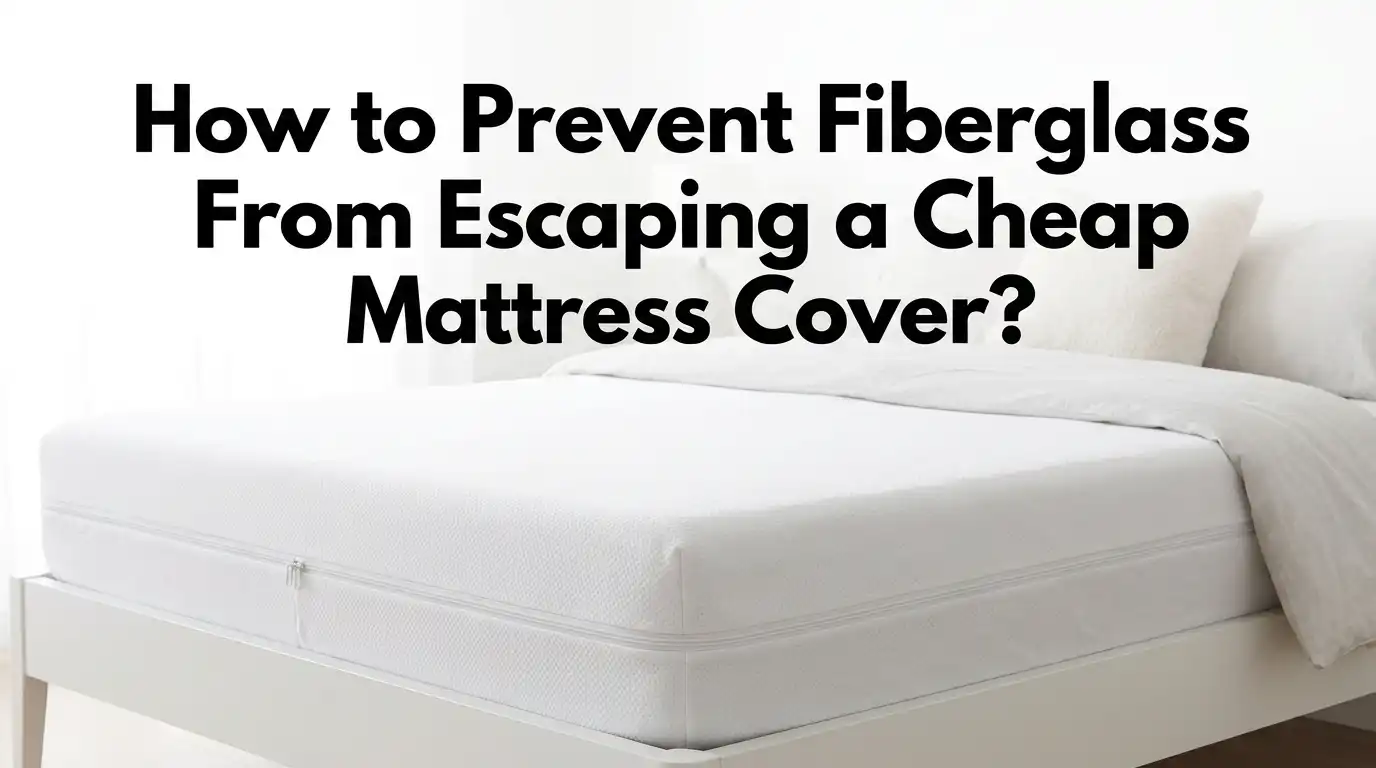
A six sided encasement is a zippered bag that wraps your whole mattress. It covers the top, bottom, and all four sides. Bed bug encasements work very well for fiberglass too because the weave is tight and the zipper has a locking flap.
Slide the mattress into the encasement on a clean floor. Zip it shut all the way. Tuck the zipper pull under the safety flap so it cannot open by accident. The encasement now becomes the new outer skin of your bed.
Pros: It traps fibers even if the original cover tears later. It is washable and waterproof on most models. It also blocks dust mites. Cons: A good encasement costs thirty to seventy dollars. Cheap encasements with loose weaves can let fine fibers pass through, so look for a pore size under six microns. A snug fit matters more than fancy features.
Step Three: Patch Small Tears Right Away
Sometimes you find a tiny hole near a corner or along a seam. Do not panic, but do not wait either. Small holes grow into big ones every time you sit on the bed. The fix is simple if you act fast.
Wear gloves, a mask, and long sleeves first. Wipe the area with a damp microfiber cloth to catch loose fibers. Then place an iron on fabric patch over the hole. Press it with a warm iron through a thin towel for about thirty seconds.
Pros of iron on patches: They bond strongly and last for years. They look neat and stay flat under sheets. Cons: They need heat, which some foam covers do not handle well. If your cover is heat sensitive, use a heavy duty fabric repair tape instead. Avoid regular duct tape because the glue dries out and peels within weeks.
Step Four: Use a Mattress Protector on Top
A mattress protector is different from an encasement. It only covers the top and sides like a fitted sheet. It adds a soft, washable layer that protects the original cover from sweat, spills, and friction.
Pick a protector with a tight knit fabric and deep pockets. Waterproof models also block liquid from soaking into the cover and weakening the stitches. Wash it every two weeks in warm water.
Pros: It extends the life of your mattress and keeps the outer fabric clean. It is cheap, often under thirty dollars. It feels soft and quiet. Cons: It does not cover the bottom or full sides, so it cannot stop a major leak by itself. Use it together with an encasement for the strongest protection. The two layers work like a belt and suspenders.
Step Five: Handle the Mattress Gently During Moves
Most fiberglass leaks happen during a move. People bend, fold, or drag the mattress through tight doorways. Each bend stresses the seams and can pop the inner sock. Once that sock breaks, fibers travel to the outer cover and out through any weak spot.
Always keep the mattress flat or upright. Never fold it in half. Use a proper mattress moving bag with handles to lift it. Two people should carry it, one at each end.
Pros of careful handling: You avoid sudden tears and keep the cover smooth. Cons: It takes more time and effort. If you must transport a fiberglass mattress, slide it into a thick plastic mattress bag first. The plastic bag acts as a backup barrier if anything bursts during the trip.
Step Six: Choose the Right Bed Frame and Foundation
A weak frame can ruin a mattress in months. Slats that are too far apart let the bed sag in the middle. That sag pulls on the cover seams every night. Over time, the stitches loosen and a gap appears.
Use a frame with slats no more than three inches apart. A solid platform or a sheet of plywood works even better. Make sure the center support reaches the floor with a sturdy leg.
Pros of a strong foundation: It keeps the cover flat and tight. It also extends mattress life and improves sleep. Cons: Solid platforms cost more and weigh more. If you cannot replace the frame, add a bunkie board on top of the existing slats. This thin panel spreads weight evenly and protects the seams.
Step Seven: Keep Pets and Sharp Objects Away
Cats love to knead mattresses, and dogs sometimes scratch them. Their claws cut tiny holes in the cover that you may not notice for weeks. Kids jumping on the bed with toys can do the same damage.
Trim pet nails often. Place a thick blanket on top of the mattress when pets nap there. Keep scissors, keys, and tools off the bed at all times.
Pros of this habit: It is free and easy to start today. It also protects sheets and protectors from damage. Cons: It needs steady attention, especially with young pets. If your pet already loves the bed, train them to use a side step or a pet bed nearby. A small spray of citrus scent on the mattress edge can also keep cats from clawing the corners.
Step Eight: Watch for Warning Signs of a Leak
Even with care, leaks can still happen. Catching them early stops the spread before it reaches your lungs or laundry. Look for these signs every week.
Tiny shiny threads on your sheets are the first clue. They look like glitter or thin fishing line. Itchy red bumps on your skin after sleeping are another sign. A sore throat or cough that gets better when you leave the bedroom is also a warning.
Pros of regular checks: You stop a small problem from becoming a giant one. Cons: It can feel stressful to keep watching. Keep a small flashlight near the bed and shine it across the cover once a month. Fiberglass fibers reflect light and show up clearly under a beam in a dark room.
Step Nine: Clean Up Small Spills Without Spreading Fibers
If you find a few loose fibers on your sheets, do not vacuum with a regular machine. A normal vacuum blows fine particles back into the air through its exhaust. That spreads them across the whole room.
Use a vacuum with a true HEPA filter. Wipe hard surfaces with damp paper towels and throw them straight into a sealed plastic bag. Wash bedding alone, on hot water, with extra rinse cycles.
Pros of HEPA cleanup: It captures fibers as small as 0.3 microns. It also removes dust and allergens. Cons: HEPA vacuums cost more than basic ones. Wear gloves, goggles, and an N95 mask while cleaning. Skin contact causes itching, and breathing the dust causes throat pain that can last for days.
Step Ten: Know When to Replace the Mattress
Sometimes prevention is no longer enough. If the cover has long rips, missing zipper teeth, or visible white fluff coming out, repair will not hold. The safe choice is to replace the bed.
Wrap the old mattress in a sealed plastic bag before moving it out. Tape the bag shut on every seam. Take it straight to a recycling center or the curb on bulk pickup day. Do not leave it open in the garage where fibers can drift.
Pros of replacement: You remove the risk completely and start fresh. Cons: It costs money and takes effort. When you shop for the next bed, ask the seller in writing if it contains fiberglass. Look for natural wool, rayon, or silica fabric flame barriers instead. These options are safer and only cost a little more.
Frequently Asked Questions
Can I wash my mattress cover if it has fiberglass inside?
No, you should never remove and wash the original cover. The white inner layer with fiberglass will stick to the fabric and spread to your washer. Place a washable protector on top instead and wash that.
How long does fiberglass stay in a room after a leak?
Fiberglass shards can stay for weeks or months without proper cleanup. They settle into carpets, vents, and soft furniture. A full HEPA vacuum and damp wipe of every surface usually takes several rounds to fully remove them.
Is fiberglass in mattresses banned in the United States?
It is not banned at the federal level as of now. Some states have proposed bans, but the rules are still under review. Many brands now market fiberglass free models in response to consumer demand.
Can a mattress topper stop fiberglass from leaking?
A topper alone does not stop fiberglass because it only covers the top surface. Fibers can still escape through the sides and bottom. Pair a topper with a full six sided encasement for real protection.
What should I do if I think I inhaled fiberglass dust?
Leave the room, drink water, and rinse your eyes with cool water. Most mild symptoms fade within a day or two. If you have a lasting cough, chest pain, or skin rash, contact a doctor for advice.
Are expensive mattresses always fiberglass free?
Not always, but most mattresses over one thousand dollars use safer flame barriers like wool or treated rayon. Always check the law tag and ask the seller directly before you buy.

Hi, I’m Ava Day, the founder and lead writer at Cozy Bed Vault. I’m passionate about sleep wellness and dedicated to helping people find their perfect mattress. Through honest reviews, detailed comparisons, and expert buying guides, I simplify the mattress shopping experience so you can sleep soundly every night.