How to Stop Spiders and Dust Bunnies From Hiding Under a Low Clearance Bed?
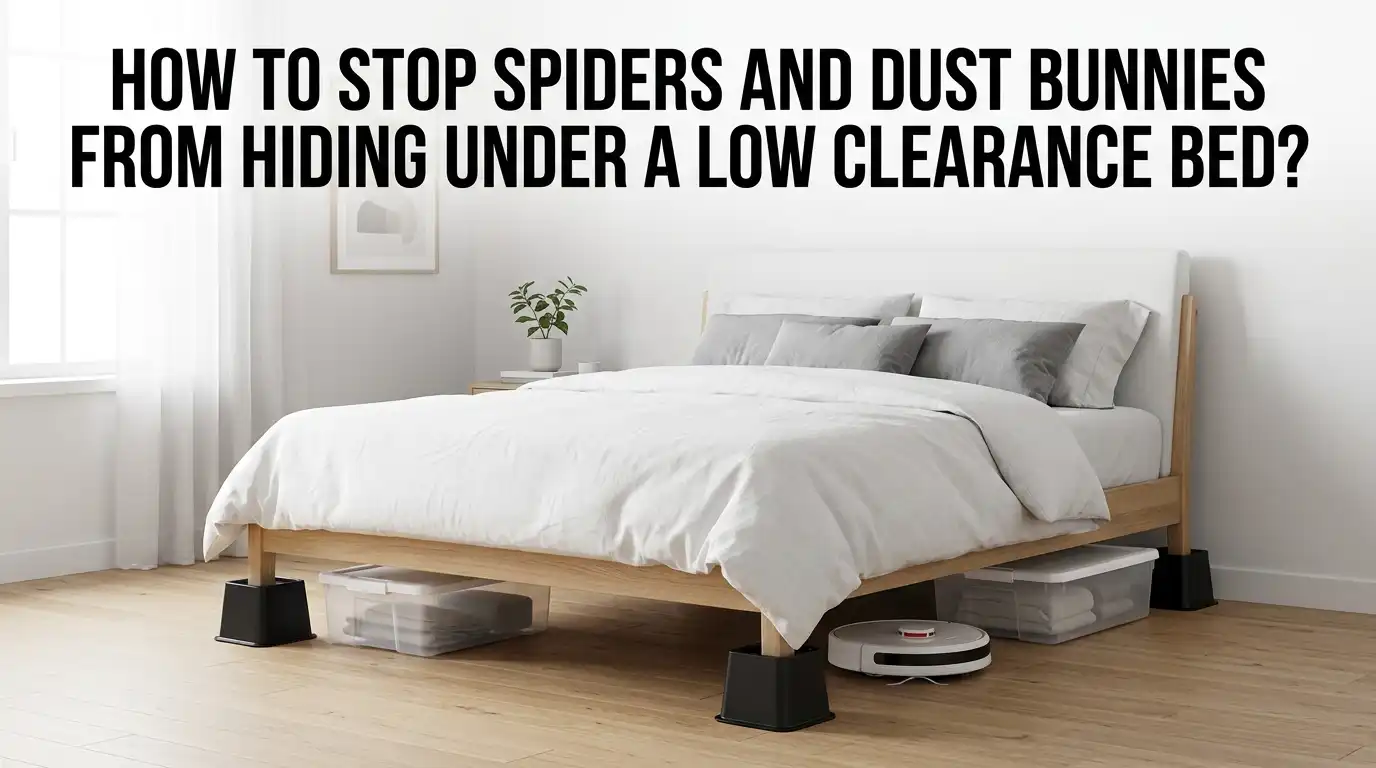
A low clearance bed looks sleek and modern. But it hides a messy secret underneath. That tight gap between your mattress base and the floor becomes a magnet for dust bunnies and a cozy hideout for spiders.
The space is too short for a normal vacuum and too dark for easy cleaning. So debris piles up while you sleep right above it.
The good news is that you do not need to buy a new bed or move heavy furniture every week. This guide gives you simple, step by step fixes you can start today.
In a Nutshell:
- Block the gap at the perimeter. A pool noodle, foam pipe wrap, or low fabric skirt around the base stops dust and spiders from drifting underneath in the first place. This is the single biggest fix.
- Use flat cleaning tools. A slim microfiber duster or a low profile vacuum attachment slides into tight gaps without forcing you to move the bed.
- Clean on a schedule. Dust under your bed every week and deep clean every month. Regular cleaning stops dust bunnies before they form.
- Cut clutter and seal cracks. Spiders love dark, messy hiding spots. Removing storage boxes and sealing wall gaps takes away their shelter.
- Add natural scents. Peppermint, cedar, and eucalyptus smell strong to spiders and help push them out of your room.
- Control room humidity and air. Air out your bedroom often and run an air purifier to catch dust before it settles under the bed.
Why Low Clearance Beds Trap So Much Dust and Spiders
A low clearance bed sits close to the floor. The narrow gap creates a quiet, still pocket of air. Dust loves still air. Skin flakes, fabric fibers, pet hair, and dirt float around your room and settle in that calm space. Over time they clump into the gray fluff we call dust bunnies.
Spiders are drawn to the same spot for different reasons. The dark, undisturbed gap feels safe to them. They want shelter where nothing bothers them. A low bed gives them exactly that. The dust also attracts tiny insects, and those insects become food for spiders.
So the problem feeds itself. Dust pulls in bugs, bugs pull in spiders, and the low gap hides it all. Understanding this cycle helps you break it. The fixes below target each part of the chain.
Measure Your Clearance Before You Start
Before you buy any tool or fix, grab a tape measure. Knowing your exact gap height changes everything. Measure from the floor to the bottom of your bed frame at several points. Some beds sag in the middle, so check more than one spot.
Most low clearance beds sit between 2 and 6 inches off the floor. This number tells you which cleaning tools will actually fit. A bulky vacuum head needs about 4 inches. A flat attachment fits in 2 inches or less.
Write the measurement down on your phone. You will use it again and again when shopping for tools or blockers. A quick five minute check now saves you from buying gear that does not fit. It also helps you decide if blocking the gap completely is the smarter move for your bed.
Use Slim Tools to Clean Tight Gaps Without Moving the Bed
You do not need to drag your bed across the room every time. Slim tools reach where you cannot. A long handled microfiber duster with a flat head slides right into low gaps. The fibers grab dust through static, so the dust sticks instead of scattering.
A flat vacuum attachment is another strong option. It connects to your hose and flattens the airflow into a wide, thin path. This pulls out dust bunnies hiding deep under the center of the bed.
Pros of slim tools: they are cheap, easy to store, and save your back. You skip the heavy lifting completely. Cons: they only reach so far, and very deep gaps may still hide some dust in the middle. For best results, work from both sides of the bed so you cover the full space.
Block the Gap to Stop Dust Before It Starts
Cleaning helps, but blocking the gap stops the problem at its source. If dust and spiders cannot get under the bed, they cannot hide there. This is the most powerful long term fix.
A simple trick uses foam pipe wrap or a pool noodle. Slice it lengthwise and press it along the bottom edge of your bed frame. It seals the gap like a soft gasket. Air and dust can no longer drift underneath.
Pros: cheap, removable, and very effective. It blocks both dust and crawling pests. Cons: it can look a little plain, and you must lift it to clean behind it now and then. For a neater look, you can paint the foam or hide it behind a bed skirt. Either way, this barrier cuts your under bed dust dramatically.
Add a Bed Skirt or Fabric Wrap for a Clean Look
A bed skirt does two jobs at once. It hides the gap and slows down dust. The fabric panel hangs from the mattress base down to the floor. This creates a soft wall that floating dust cannot easily pass.
Choose a skirt that touches the floor with no large gaps at the corners. A skirt that stops short still lets dust slip under. Some people layer a skirt over foam pipe wrap for a double barrier that looks tidy.
Pros: it looks polished, blocks dust, and hides clutter. It works great in guest rooms and styled bedrooms. Cons: the fabric itself collects dust on the surface, so you must wash it now and then. It also does not fully stop a determined spider. Still, a snug bed skirt is one of the easiest ways to keep the gap clean and out of sight.
Cut Clutter to Remove Spider Hiding Spots
Spiders love clutter. Every box, bag, and pile gives them a dark corner to hide in. If you store things under your low bed, you are building a spider hotel. The clutter also traps dust and makes cleaning much harder.
Clear out everything you can from under the bed. Move seasonal storage to a closet or sealed bin elsewhere. An empty gap is far easier to clean and far less inviting to pests.
If you must store items there, use sealed plastic bins instead of open boxes or fabric bags. Smooth, closed containers give spiders nowhere to nest. Pros of decluttering: fewer pests, easier cleaning, and a calmer room. Cons: you may lose handy storage space. The trade off is worth it, since a clear gap stays clean with almost no effort.
Seal Cracks and Gaps to Block Spiders From Entering
Spiders do not appear from nowhere. They crawl in through tiny openings. Cracks around baseboards, gaps under doors, and holes near pipes all give them a way inside. Sealing these entry points keeps spiders out of your room entirely.
Walk around your bedroom and look low. Use caulk to fill cracks in walls and baseboards. Add a door sweep to the bottom of your bedroom door. Check window frames for gaps and seal them too.
Pros: this is a permanent fix that stops many pests, not just spiders. It also helps with drafts and energy bills. Cons: it takes a bit of time and effort upfront, and you may need to recheck seals once a year. Once your room is sealed tight, far fewer spiders will ever reach the gap under your bed.
Use Natural Scents That Spiders Avoid
Spiders smell with their legs, and strong scents overwhelm them. Peppermint is the most proven spider repellent. The sharp smell pushes them away from treated areas. Cedar and eucalyptus work in a similar way.
To make a simple spray, mix water with a few drops of peppermint essential oil in a bottle. Shake it well and spray it along the base of your bed and around the room edges. Refresh it every few days, since the scent fades.
Pros: natural, cheap, and safe around most homes. It smells fresh to people while bothering spiders. Cons: the effect is mild and short lived compared to sealing or blocking. It works best as a backup, not your only defense. Pair scents with cleaning and sealing for the strongest results. Cedar blocks tucked near the bed add a longer lasting scent barrier.
Control Humidity and Air Flow in Your Bedroom
Dust and spiders both like still, damp air. Moving and drying the air makes your room less welcoming to them. Open your windows when the weather allows. Fresh air circulation stops dust from settling in that quiet gap under the bed.
A dehumidifier helps in damp climates. Lower humidity discourages dust mites and the small insects that spiders hunt. Drier air also slows the buildup of that musty under bed smell.
Pros: better air quality, fewer pests, and easier breathing while you sleep. It helps allergy sufferers too. Cons: a dehumidifier uses electricity and needs emptying. Opening windows is free but only works in good weather. Even small steps like running a ceiling fan keep air moving. Less stale air means fewer dust bunnies forming under your low bed.
Run an Air Purifier to Catch Dust Early
Much of the dust under your bed starts as floating particles in the air. An air purifier traps those particles before they ever settle. A unit with a HEPA filter pulls in skin flakes, fibers, and pet dander from the room.
Place the purifier near your bed for the best effect. Less airborne dust means fewer dust bunnies forming below. It also reduces the food supply that draws insects and spiders into the space.
Pros: cleaner air, fewer allergens, and less frequent cleaning under the bed. It helps the whole room, not just the gap. Cons: filters need replacing, which costs money over time, and the unit runs constantly to work well. Think of it as a helper, not a full fix. Combined with sealing and blocking, a purifier keeps your sleep zone noticeably cleaner.
Set a Simple Weekly and Monthly Cleaning Routine
A schedule beats random cleaning bursts. Small, regular cleaning stops dust bunnies from ever growing big. Once dust clumps form, they trap more dust and become harder to remove. Catching it early keeps the job quick.
Every week, run a slim duster or flat vacuum tool through the gap. This takes only a minute or two and prevents buildup. Wash your bedding weekly in hot water to cut down on dust mites and floating fibers.
Once a month, do a deeper clean. Pull the bed out if you can, vacuum the full floor, and wipe the baseboards. Pros of a routine: the gap never gets bad, and each session stays short. Cons: you must stay consistent, which takes discipline. Set a phone reminder so it becomes a habit you barely notice.
Choose the Right Flooring and Rugs to Trap Dust
Your flooring shapes how much dust drifts under the bed. Hard floors let dust slide and gather in the gap. Smooth surfaces give dust nothing to grip, so it travels straight to the lowest, stillest spot, right under your bed.
A low pile rug near or under the bed catches dust as people walk by. The fibers hold the dust until you vacuum the rug. This pulls dust out of the air path before it reaches the gap.
Pros: rugs trap dust, soften the room, and reduce under bed buildup. They are easy to clean with a regular vacuum. Cons: rugs need frequent vacuuming, and a thick rug can trap allergens if neglected. Pick a flat, washable rug for the easiest care. The right flooring choice quietly cuts the dust load under your low bed.
Frequently Asked Questions
How often should I clean under a low clearance bed?
Clean under your low bed once a week with a slim duster or flat vacuum tool. This quick pass stops dust bunnies from forming. Do a deeper clean once a month by pulling the bed out and vacuuming the full floor. A steady routine keeps the gap clean with very little effort.
Will a pool noodle really stop dust from going under my bed?
Yes. A sliced pool noodle or foam pipe wrap pressed along the base of your bed seals the gap. It blocks the still air pocket where dust settles. This simple, cheap barrier stops most dust and crawling pests from reaching the space underneath your low clearance bed.
Does peppermint oil actually keep spiders away?
Peppermint oil does repel spiders, and studies back this up. The strong scent overwhelms their senses, so they avoid treated areas. Spray a water and peppermint mix around your bed and room edges. The effect fades in a few days, so reapply often. Use it alongside sealing and cleaning for best results.
What tool fits under a bed that is only 3 inches off the floor?
For a 3 inch gap, use a flat vacuum attachment or a long handled microfiber duster with a thin head. Both slide into tight spaces without moving the bed. Measure your exact clearance first, then pick a tool slimmer than that number so it glides in easily.
Why do spiders like the space under my bed so much?
Spiders want dark, quiet, undisturbed spots, and a low bed gap fits perfectly. The dust there also attracts tiny insects that spiders eat. So the gap offers both shelter and food. Cleaning the dust, sealing cracks, and cutting clutter removes the things that draw them in.
Can a bed skirt replace blocking the gap with foam?
A bed skirt slows dust and hides the gap, but it does not seal as tightly as foam. For the strongest barrier, layer a skirt over foam pipe wrap. The foam blocks airflow while the skirt looks neat. Together they keep the under bed space cleaner than either one alone.

Hi, I’m Ava Day, the founder and lead writer at Cozy Bed Vault. I’m passionate about sleep wellness and dedicated to helping people find their perfect mattress. Through honest reviews, detailed comparisons, and expert buying guides, I simplify the mattress shopping experience so you can sleep soundly every night.