How to Upcycle Old Innerspring Mattress Coils for DIY Garden Trellises?
Old mattresses pile up in landfills every year. Each one holds hundreds of steel coils that can find a second life. Your tired innerspring mattress hides a treasure inside. The metal coils make sturdy, charming, and free garden trellises.
This guide shows you how to pull out those coils. You will learn to clean them, shape them, and turn them into supports for climbing plants. The project saves money, reduces waste, and adds a rustic look to your garden beds.
Gardeners across the country have used these spring frames for tomatoes, peas, and roses. The steel lasts for years. The look feels both vintage and creative. Let us walk through every step you need.
In a Nutshell:
- Old mattress coils are made of strong steel that holds plant weight well. They work great for vining vegetables, flowers, and even small fruit plants.
- You will need basic tools like wire cutters, bolt cutters, work gloves, a utility knife, and safety goggles. Power tools speed up the work but are not required.
- Cleaning rust matters for both looks and safety. White vinegar soaks, wire brushes, and rust converter sprays all do the job well.
- Shape and size depend on your plants. Box spring grids work for flat wall trellises. Individual pocket coils suit small pots and tabletop planters.
- Painting or sealing the metal extends the life of your trellis. Outdoor metal paint stops rust from returning during wet seasons.
- Always check the mattress source before cutting. Avoid mattresses with bed bugs, heavy mold, or chemical stains. Safety comes first in every step.
Why Mattress Coils Make Excellent Garden Trellises
Mattress coils are built to last. They hold body weight for years inside a mattress. So they easily hold the weight of climbing plants. The steel wire resists bending under pressure. This makes them strong supports for heavy crops like tomatoes and squash.
The coils also have a natural grid or spiral shape. Plants love this. Tendrils wrap around the wire without help from you. You do not need to tie vines or train them often. The coil pattern guides the growth on its own.
Another benefit is the price. You get free building material from something you would throw away. Buying a metal trellis at a garden store can cost a lot. Old mattress coils give you the same support for nothing.
Pros and Cons of Using Mattress Coils in the Garden
Every project has good points and tricky points. Knowing both helps you plan better. Here is what works and what does not.
Pros: The material is free and easy to find. Coils are strong and rust resistant once treated. They have a charming vintage look. The metal lasts five to ten years in the garden. You reduce landfill waste.
Cons: Removing coils from a mattress takes time and effort. Rust can stain hands and clothes. Sharp wire ends can cut you. Some older mattresses contain chemical sprays like flame retardants. The shape may not fit every plant or garden layout.
Weighing these factors helps you decide if the project suits you. Most home gardeners find the work worth the reward.
Tools and Safety Gear You Will Need
Gather your supplies before you begin. Having everything ready makes the work smoother and safer. You do not need fancy equipment. Most items are already in a basic toolbox.
You will need thick work gloves to protect your hands from sharp metal. Safety goggles shield your eyes from flying wire bits. A heavy duty utility knife cuts through fabric covers. Bolt cutters or wire cutters snip the steel coils apart. A reciprocating saw or angle grinder speeds up the job for big jobs.
Other helpful items include a face mask to block dust, a hammer to flatten bent coils, and pliers to twist wire ends. Always work in a well aired space. Old mattresses can release dust and tiny fibers when cut open.
Step by Step: How to Remove the Coils from the Mattress
Start by laying the mattress flat on the ground. Pick a spot outdoors or in a garage with good airflow. Use the utility knife to slice the fabric cover along the seams. Pull the fabric off in big pieces and set it aside.
Next, peel off the layers of foam, batting, and padding. These layers cover the coils underneath. Some glue may hold them in place. Work slowly and lift the stuffing off in chunks. You will see the spring unit when you finish.
Now use bolt cutters to snip the wire frame that holds the coils together. Cut along the edges first, then work toward the middle. The coils will come loose in sections. You can take out single coils or keep grids together for bigger trellis pieces.
Cleaning and Removing Rust from Old Coils
Most old coils will have some rust. Cleaning them makes them look better and last longer. White vinegar is the safest and cheapest rust remover. Soak the coils in a tub of vinegar for twenty four hours.
After soaking, scrub them with a stiff wire brush. The rust will flake off easily. Rinse with clean water and dry with an old towel. Let them sit in the sun for a few hours to fully dry.
For heavy rust, try a baking soda and water paste. Rub it on with a brush, let it sit, then rinse. Commercial rust converters also work well. They turn rust into a stable black coating. Avoid using harsh chemicals near food gardens.
Pros and Cons of Cleaning Methods
Vinegar soak is cheap, safe, and food garden friendly. But it takes time and needs a big tub. Wire brushing is fast but tiring on the arms. Rust converter sprays work quickly and seal the metal. But they cost more and some contain chemicals you may not want near vegetables.
Painting and Sealing Coils for Outdoor Use
Paint protects the metal from new rust. It also adds color to your garden. Outdoor metal spray paint is the best choice. Look for products labeled rust resistant or rust preventive.
Hang the coils from a wire or place them on a drop cloth. Spray light coats from about ten inches away. Let each coat dry for fifteen minutes. Two or three coats give full coverage.
Popular colors include matte black, forest green, copper, and white. Black blends into the garden. Bright colors add a fun, artsy touch. You can also use clear sealant if you like the natural rusted look. Sealing keeps the rust stable without changing the color.
Building a Flat Wall Trellis from a Box Spring Grid
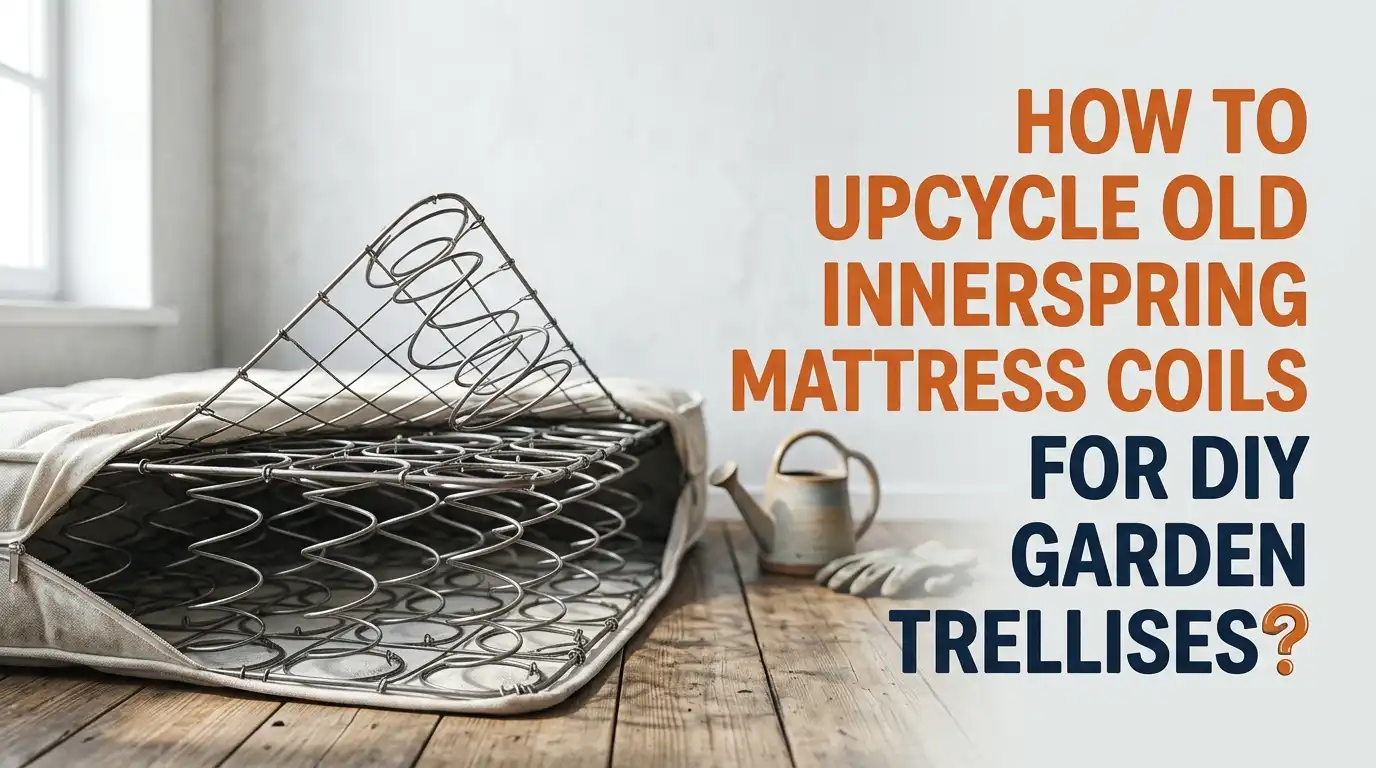
The box spring grid is the inner frame of a mattress. It looks like a flat grid of wire. This shape works perfectly as a wall mounted trellis. Lean it against a fence, wall, or shed.
First, cut the grid to your desired size with bolt cutters. A piece about four feet by six feet works well for most plants. Trim sharp edges flat with pliers. Bend the loose wire ends back so they do not poke anyone.
Attach the grid to the wall using screws and metal brackets. Leave a small gap between the wall and the trellis. This space lets plants twine around the wire. Pole beans, peas, morning glories, and sweet peas climb this trellis with ease.
Making a Free Standing Tomato Cage from Single Coils
Single coils can be linked together to form a tall cylinder. This shape works as a tomato cage. Take six to eight coils of the same size. Stack them on top of each other in a column.
Twist the ends of each coil into the next one with pliers. Use thin wire to tie weak spots tight. The finished cage should stand about three to four feet tall. Push the bottom coil into the soil around your tomato plant.
The spring action of the coils gives the plant gentle support. Wind does not knock these cages over easily. They last several seasons. Pros include flexibility and strength. Cons include the time it takes to assemble each one.
Creative Arch Trellis for Vining Plants
Two box spring grids can join to form a beautiful arch. This design suits cucumbers, gourds, and small melons. Bend each grid into a half circle shape. This may take two people.
Push the ends of both grids into the soil on either side of a garden bed. The two halves meet in the middle to form an arch. Tie them together at the top with strong wire. Add cross supports if needed.
The arch lets fruit hang down for easy picking. It also creates shade for plants below. Pros include beauty and high yields. Cons include the need for a large garden bed and the work of shaping the metal.
Best Plants to Grow on Mattress Coil Trellises
Not every plant fits every trellis. Choose climbers that match your trellis size. Pole beans and peas are top picks. They climb with twisting tendrils that grab wire easily.
Cucumbers do well on flat trellises and arches. Their leaves cover the metal fast. Indeterminate tomatoes grow tall and need strong support. Coil cages handle them perfectly. Morning glories, sweet peas, and clematis turn the trellis into a flower display.
For edible gardens, try snap peas, runner beans, and small squash. Avoid heavy plants like watermelon unless your trellis is very sturdy. Light vining flowers also work and add color through the summer months.
Decorating Coils as Standalone Garden Art
Not all coils need to be trellises. Some look great as plant holders or art pieces. Small individual coils can hold a single pot or candle. Place them along garden paths or on patio tables.
Cluster three or five coils on a wooden board to make wall art. Paint them in bright colors for a folk art look. Add fairy lights inside the coils for a glowing night display. Birds love to perch on tall coil sculptures.
You can also use coils as edging for flower beds. Push them into the soil in a row. They mark the bed and stop grass from spreading. Pros include endless creative options. Cons include the time spent on detail work.
Maintenance Tips to Keep Your Trellis Lasting Years
Once your trellis is set up, basic care keeps it strong. Check for new rust every spring. Touch up paint where the coating has worn off. Tighten any loose wire connections.
Remove dead plant matter at the end of each season. Old vines can trap moisture and speed up rust. Wipe the metal with a dry cloth before winter. In very cold climates, you can bring smaller pieces into a shed.
Inspect the soil contact points. The bottom of the trellis touches the ground and rusts fastest. Add a layer of gravel or set the legs in concrete blocks. This small step doubles the life of your trellis.
Safety Tips and Common Mistakes to Avoid
Working with old mattresses needs care. Never use a mattress that has bed bugs or mold. These problems carry over to your garden and home. Check the mattress in daylight before you start.
Wear gloves at all times. Cut wire ends are sharp and can cause deep cuts. Keep children and pets away from the work area. Dispose of foam, fabric, and small metal scraps in proper bins.
Common mistakes include skipping rust removal, using indoor paint, and choosing weak coils. Test each coil by squeezing it. If it bends without springing back, it is too weak. Strong coils return to shape when you let go.
Frequently Asked Questions
Are old mattress coils safe to use near vegetables?
Yes, in most cases. Clean the coils well and remove all rust before planting. Avoid coils from mattresses with chemical stains or strong odors. Sealed paint keeps the metal stable in the soil.
How long do upcycled coil trellises last in the garden?
A treated and painted coil trellis lasts five to ten years. Untreated coils may rust through in two to three years. Yearly maintenance adds more time to their life.
Can I use box spring coils without removing them from the frame?
Yes. The whole box spring frame makes an instant flat trellis. Strip the fabric and padding off, then lean the frame against a wall or fence. This saves a lot of cutting work.
What if my mattress coils are very rusty?
Heavy rust still cleans up well. Soak them in vinegar for two days instead of one. Use a wire brush attached to a drill for faster work. Replace any coils that are rusted through.
Do I need to paint the coils?
Painting is not required but highly recommended. Paint slows down new rust and improves the look. If you like the rustic look, use clear outdoor sealant instead.
Can mattress coils support heavy plants like pumpkins?
Small pumpkin varieties work, but large ones are too heavy. Stick with cucumbers, small melons, beans, and tomatoes for best results. Heavy fruit can bend or break weak coils over time.

Hi, I’m Ava Day, the founder and lead writer at Cozy Bed Vault. I’m passionate about sleep wellness and dedicated to helping people find their perfect mattress. Through honest reviews, detailed comparisons, and expert buying guides, I simplify the mattress shopping experience so you can sleep soundly every night.