ClafhiCgeop 12 Inch Full Hybrid Mattress Review
Looking for a mattress that feels balanced and supportive? The ClafhiCgeop 12 Inch Full Hybrid Mattress may be a strong pick. This review explores what the name suggests and what hybrid mattresses usually offer.
Hybrid beds combine a coil base with memory foam or latex comfort layers. Many sleepers enjoy their good airflow and strong edge support. They can also feel a little bouncy and may carry more motion across the bed.
Keep in mind that this review relies on general hybrid traits. Detailed specs, user feedback, and long term test results are limited for this model. Read on to see how it may suit your sleep style.
In a Nutshell
-
Best for: Solo sleepers and couples who want a full size bed with enough room to stretch out. The 12 Inch height also makes getting in and out feel easy for many people.
-
Edge feel: Coil systems usually feel firmer at the edges than all foam beds. This helps you sit on the side without feeling like you will roll off.
-
Motion: Coil layers can pass more movement across the surface. Light sleepers or anyone sharing with a restless partner should test this point first.
-
Temperature: Open coil layers often let air move through the bed. This airflow may help you stay cool during warm nights.
-
Rivals to compare: Nectar Classic, DreamCloud, and Coolvie Classic are the closest named alternatives. Comparing their layers and firmness levels can help you find the best match.
-
Before you decide: No product specs or reviews were found for this model. Check the trial length, return rules, and warranty directly with the seller.
Construction and Materials

Last update on 2026-10-28 / Affiliate links / Images from Amazon Product Advertising API
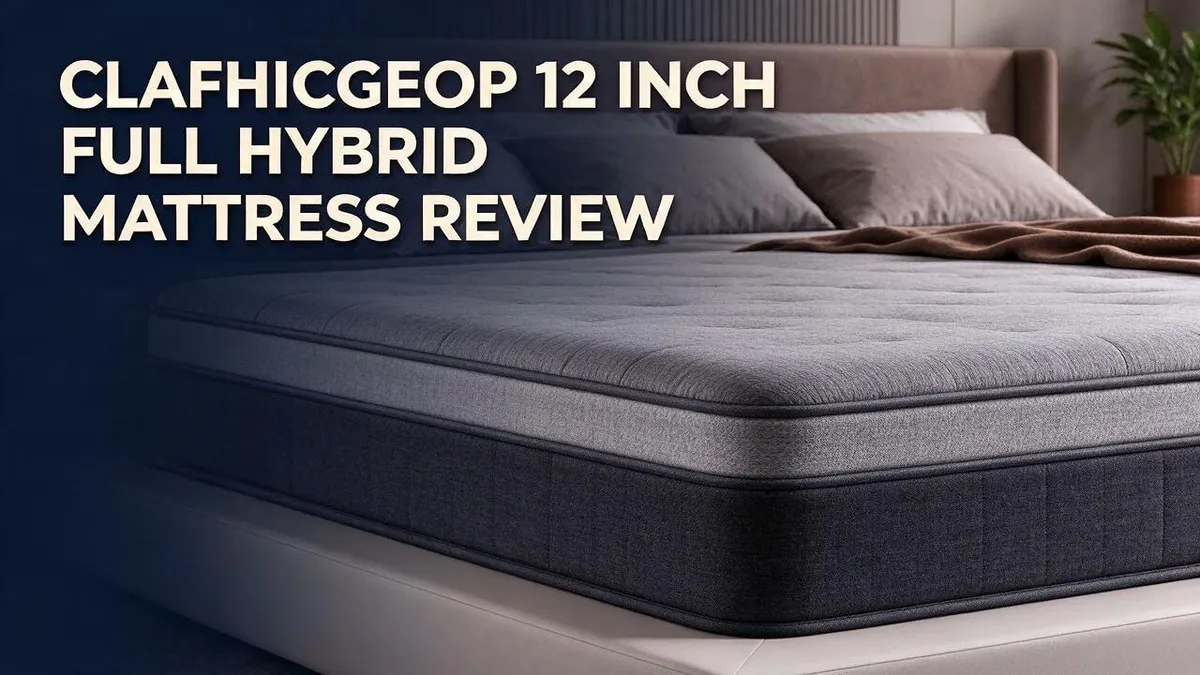
The name offers a few clues. The ClafhiCgeop 12 Inch Full Hybrid Mattress points to a layered build with a height of 12 inches. Still, no verified construction details were found for this model.
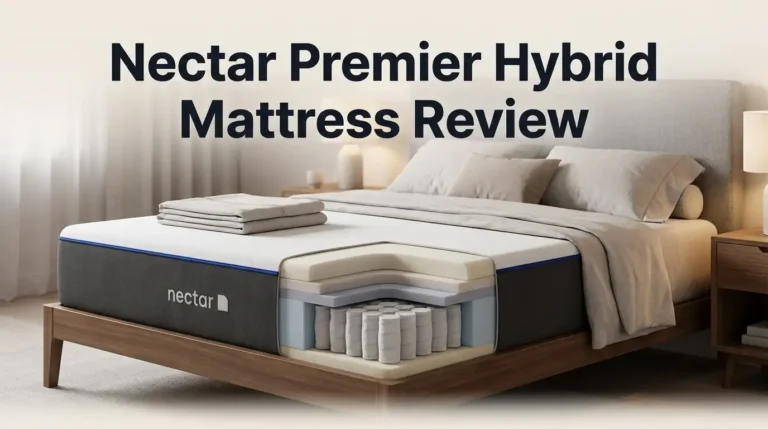
Layer order shapes the feel. Most hybrids place a firm support core at the bottom. Softer foam or latex usually sits on top. This stack decides how the surface responds when you lie down.
Labels reveal more than names. Look for the exact foam type, the coil count, and the cover fabric. These details tell you far more than a model name ever can. Written specs beat marketing words every time.
Coil count affects support. More coils often spread weight across a wider area. Fewer coils may feel softer under the hips. Clear numbers help you compare options fairly.
Comfort layer thickness matters too. A thin top layer lets the coils push back more. A thicker top layer cushions pressure points like the shoulders and hips. Thickness also changes how much you sink into the bed.
Cover fabric adds a personal touch. Some covers feel smooth and light. Others feel thicker and more padded. If you can, touch the cover in person before you make a decision.
The break in period can change the feel. Many new hybrids feel firmer at first. Foam layers may soften slightly over the first few weeks as they settle into your sleep pattern. Give the bed time before you judge it.
Foundation needs deserve attention. Hybrids usually need a firm, flat base. Check the maker’s advice on frames, platforms, or box springs. Using the wrong base can change how the bed feels and how long it lasts.
Warranty terms show what the maker expects. Read what the warranty covers for sagging or body impressions. Coil systems and foam layers can wear at different rates. Clear warranty language helps you plan for years of use.
Ask for a full layer chart. Request a complete layer breakdown before you commit. Sellers who share clear details show that they stand behind their product. Missing details often mean you should keep looking.
Comfort and Pressure Relief
Pressure relief matters most at the shoulders and hips. A bed that cushions these points can reduce tossing and turning at night.
Hybrid beds handle pressure in two ways. The comfort layer sinks slightly around the body. The coil base then pushes back to keep the spine level.
Side sleepers often feel the most pressure. They need the top layer to give enough so the shoulder and hip can sink in a little.
Back sleepers usually want a steadier surface. A firmer feel helps the hips stay lifted so the lower back does not sag.
Stomach sleepers need a flatter feel. Too much sink can pull the hips down and strain the lower back.
Pressure relief is hard to judge from a label alone. The research found no comfort scores or sleeper feedback for this model. The feel remains unverified.
Side sleepers should also watch for arm numbness at night. Numbness often signals that the mattress is not spreading weight well enough.
Your body weight and frame also change how the bed feels. A lighter sleeper may feel less sink than a heavier sleeper on the same surface.
Couples may have different needs. One partner may want more give while the other wants firmer support. A hybrid can offer a middle ground for mixed preferences.
Nectar Classic, DreamCloud, and Coolvie Classic offer a useful comparison point. Lying on each one can show which cushioning style suits your body best.
Try a simple test at home. Lie in your usual sleep position for about ten minutes. Notice whether your hips and shoulders feel supported or pinched.
Check the return policy too. A longer trial gives you time to see how the pressure feels after several weeks of sleep.
Support and Edge Strength
Edge strength decides how much of the bed you can really use. Core support matters, but the sides do a lot of work too. On a full size bed, the outer inches get used often, so they need to hold firm.
Sit on the edge first. Press down near the side seam and watch how far the surface dips. A firm border keeps you from sliding toward the floor when you put on socks or shoes.
Lie near the perimeter. Rest on your side close to the edge for a few minutes. If you feel the surface tilt or sink, the support may not suit you over time.
Reinforced borders often help. Many hybrid builds use a firmer perimeter around the coil system or a denser foam rim. The product label should name which method this bed uses. The research did not find those details for this model.
Core support and edge support work as a team. A steady center stops sagging in the middle. Firm sides keep the full width usable, so the bed feels even from corner to corner.
Watch for roll off. Couples often notice this first. If the edge gives way, one partner may slide toward the middle. That shift can disturb sleep for both people.
Your sleep position changes what you need. Side sleepers often want a balanced edge that does not fold under the shoulder. Back and stomach sleepers may notice the sides more when they climb on or off the bed.
Think about daily use. Some people sit on the bed every morning. Others use the edge as a step to get up. A border that handles repeated weight tends to hold its shape better over time.
Ask for the specs. Coil gauge and foam density shape edge strength. Check the product page or manufacturer for these numbers before you decide.
Top 3 Alternatives
Nectar Hybrid


Last update on 2026-10-29 / Affiliate links / Images from Amazon Product Advertising API
Many sleepers want a mattress that feels soft yet supports the back. The Nectar Hybrid offers that balance. It combines a coil base with layers of memory foam. Side sleepers often enjoy its cushioned top. Back sleepers usually find the firm base helpful for good alignment.
Key strengths: The cover feels smooth and cool. Motion stays contained, so partners can sleep without many disturbances. The mattress ships in a box, which makes setup simple.
Casper Hybrid

Last update on 2026-10-28 / Affiliate links / Images from Amazon Product Advertising API
The Casper Hybrid suits people who change positions during the night. It uses a responsive foam layer above pocketed coils. This design lets the surface bounce back quickly. Hot sleepers may appreciate the breathable cover that helps air move through the bed.
Why it stands out: The edges feel firm, so getting in and out of bed is easy. The mattress offers a steady feel for combination sleepers who switch between sides and stomach.
Purple Hybrid

Last update on 2026-10-27 / Affiliate links / Images from Amazon Product Advertising API
The Purple Hybrid takes a different path with its grid-style comfort layer. Many people find the unique texture supportive and cool. The grid flexes under pressure and then returns to shape. Pressure relief feels strong for shoulders and hips.
Who it fits: Stomach sleepers often like the firm, even surface. Those who want a bouncy, responsive feel may enjoy this option most.
Temperature and Airflow
Warm nights can wreck a good sleep. Many sleepers wake up hot when body heat gets trapped in dense material.
Heat is often the first thing people worry about. This mattress uses a hybrid design, so its temperature behavior may differ from an all foam bed.
The research found no cooling tests or sleeper reports for this model. That means any claim about its temperature remains unproven. Still, the general hybrid design offers a helpful clue.
Hybrid beds place a coil base under the comfort layers. The open space between the coils lets air move through the core. That movement can carry warm air away from the body.
The comfort layers matter a lot, too. Dense memory foam tends to hold more warmth than latex. Latex often feels more breathable, although results depend on the full build.
Check the foam type on the label before you decide. It tells you more than the name does.
The cover also plays a part. A breathable knit cover may help pull moisture away from the skin. A heavy, tightly woven cover may trap heat instead.
Comparing nearby options can help. Coolvie Classic is described as breathable, which makes it a useful reference point. Nectar Classic offers a medium firm feel with innerspring support.
DreamCloud uses memory foam and poly foam layers. That mix may hold more heat than a design with more open coils. Compare the materials side by side.
Try a simple test at home. Lie on the bed for ten minutes in your usual room temperature. Place your hand flat on the surface and notice how warm it feels.
Room temperature and bedding matter, too. Thick duvets and heavy pajamas can raise heat, even on a breathable mattress. Light sheets and a fan can help if your room runs warm.
Hot sleepers should focus on airflow, not only on bold claims. Ask what sits on top of the bed and how the core moves air. Then choose the setup that fits your nights best.
Motion Isolation and Partner Sleep
Motion isolation can make or break a night for two people. A bed that stays calm lets your partner sleep through your movements.
Hybrid beds use a coil base, and springs can pass movement across the surface. Research on hybrid designs notes more motion transfer than all foam beds. Springs can also carry sound, so a squeak can travel too. That tradeoff matters if one person tosses every night.
Here is the catch. No motion tests exist for this specific model in the research. So the isolation claim cannot be confirmed yet.
Think about who moves at night. A restless sleeper, a light sleeper, or someone who wakes early can change the whole night. Notice who wakes up most often in your home. A partner who needs quiet rest should speak up early.
The top comfort layer plays a big role here. Thicker, dense layers usually soak up small shifts better than thin ones. The layer beneath also shapes how far a roll travels across the bed.
Compare this bed with a model known for isolation. Coolvie Classic is described as offering motion isolation in its 12 inch class. Nectar Classic brings a different feel with its innerspring support, so the two may move differently under weight.
Try a partner test before you commit. Place a full glass of water on the mattress near your side. Have your partner roll over and sit up quickly. Watch whether the water ripples. Many sleepers feel the difference within minutes, but a longer test shows more.
Check the base, too. A wobbly frame can spread movement farther than the mattress alone. A solid, level foundation keeps the surface stable.
Sleep schedules matter as well. If partners go to bed at different times, reading lights, phones, and getting in or out can disturb the other person. Plan a routine that keeps noise and motion low.
Good partner sleep comes from testing, not guessing. Lie down together for at least fifteen minutes. Notice how the surface feels when one person shifts. Choose the setup that keeps both of you comfortable.
Pros and Cons
Pros
– The 12 inch height gives a thick, cushioned feel.
– The full size frame suits solo sleepers and smaller bedrooms.
– Hybrid builds often feel balanced, with a middle ground between soft and firm.
– Many hybrid designs allow good air flow through the layers.
– The layered build may ease pressure on the hips and shoulders for many people.
Cons
– No independent reviews or lab tests exist for this model yet.
– The coil base and thick layers can make it heavy to move or flip.
– Memory foam or latex layers may respond slower when you change position.
– A full size gives less room than a queen for two adult sleepers.
Who Should Buy It
Many shoppers want a bed that feels bouncy and cushioned at the same time. This hybrid model may suit that goal.
Verified details are limited. The research found no product specs, reviews, or lab tests for this exact model. The points below rely on general hybrid traits instead.
Sleepers who feel stuck in foam may enjoy it. Foam only beds can feel slow and deep. Hybrid builds often offer a lift that feels easier to move on.
Edge sitters should pay attention. People who sit on the bed to tie shoes or get dressed often notice weak edges. Hybrid designs usually offer stronger edge support than foam only options.
A guest room needs a bed that feels welcoming to visitors. This model may work well for occasional use, since it offers a plush top layer for short stays.
Getting in and out of bed matters too. Older adults or anyone with joint pain should test the height first. Some find 12 inches easier to rise from, while others find it too high.
Combination sleepers may find a good match. People who shift between back and side sleeping often want a layered feel that adapts. A layered build can suit those shifts. Side sleepers and back sleepers both fit this group.
Look elsewhere if you need proof from owners. Shoppers who rely on long term owner feedback may prefer a better documented bed.
Nectar Classic, DreamCloud, and Coolvie Classic are the closest named alternatives. Each offers a 12 inch build that may suit a similar sleeper. Reading their reviews side by side can clarify the choice.
Your sleep habits decide the final answer. Test any bed in person when possible. Check the return policy before you buy, so you can switch if the feel is wrong.
Final Verdict
Our verdict is clear: this bed deserves a closer look, but not a blind purchase. The research finds no specs, reviews, or lab tests for this exact model. That gap matters more than any promise on a product page.
Think of this bed as a promising option, not a proven winner. Its likely traits match general hybrid designs. Those traits still need confirmation before you commit.
Ask the seller three questions first. Does the return window give you enough nights to judge comfort? Is the warranty written in plain terms? Can the company share lab test results for its foams and coils?
Measure your path before delivery day. Check doorways and stairs so the bed arrives without trouble. Think about your sleep goals for the next few years, too. A good bed should suit your life stage, not just your needs today.
Compare this bed with its closest rivals. Nectar Classic, DreamCloud, and Coolvie Classic share similar heights and layered builds. Put their details side by side with this model’s listing. Small differences in firmness or materials can change the outcome for your body.
Write down your top three needs, such as cooling, motion control, or edge support. Then check whether this model offers them. If the answer is unclear, keep looking.
Choose this model if you want a balanced hybrid feel and you can test it at home. Skip it if you need support backed by proven lab results. Your needs should guide the decision, not the label alone.
Final thought: A good mattress fits your routine, your room, and your body. Take your time, read the return terms, and trust what you feel after the first few weeks.
Frequently Asked Questions
Is this mattress good for side sleepers?
Side sleepers often feel pressure relief at the shoulders from the comfort layers. Lie on your side for at least 15 minutes to see how it feels. Lab data for this exact model is still missing, so your own test matters most.
Does this model suit a heavier sleeper?
Coil cores often add more support for heavier bodies than all foam beds do. This model has no verified weight rating yet. Check the stated weight limit before you order.
Can I use it with an adjustable base?
Hybrids with coil cores often bend less easily than foam beds. Fit may vary, so ask the seller about flex first.
How does it compare with Nectar Classic?
Nectar Classic is also a medium firm hybrid with a 365 night trial. Both use comfort layers over coils. Lie on each bed and notice which one feels more responsive when you turn.
What should I look for on the label?
Check the firmness rating, layer materials, and cover care steps. These details help you judge the bed without relying on reviews.

Hi, I’m Ava Day, the founder and lead writer at Cozy Bed Vault. I’m passionate about sleep wellness and dedicated to helping people find their perfect mattress. Through honest reviews, detailed comparisons, and expert buying guides, I simplify the mattress shopping experience so you can sleep soundly every night.