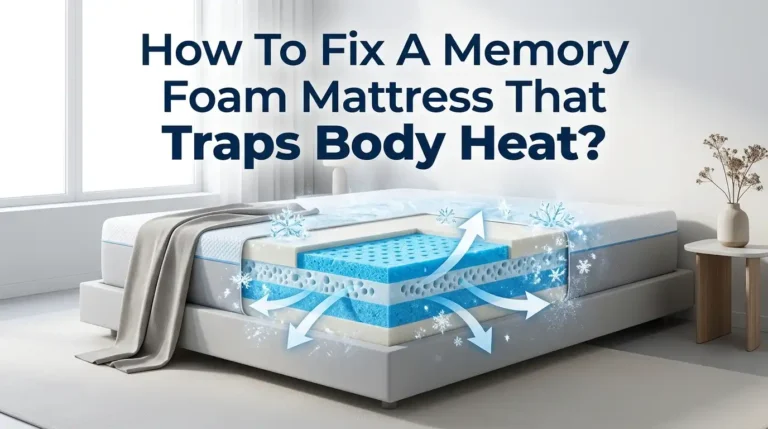
How To Firm Up A Memory Foam Mattress That Got Too Soft?
A memory foam mattress can feel amazing at first. Then one day it starts to feel too plush, too warm, or too sunken in. Your hips dip. Your lower back feels sore. You wake up tired even after a full night in bed.
The good news is that a soft memory foam mattress does not always mean you need to throw it out right away. In many cases, you can make it feel firmer with a few smart changes.
The key is to find the real cause first. Heat, weak support, trapped moisture, uneven wear, and foam breakdown can all change the feel of the bed. This guide walks you through simple fixes, clear steps, and realistic expectations so you can make your mattress feel more supportive again.
In a Nutshell
- A memory foam mattress often feels softer because of heat. Memory foam reacts to body warmth and room warmth. If your bedroom runs hot, the mattress may feel much softer at night than it did when you bought it. A cooler room can slightly firm it up.
- Your bed base matters more than most people think. If the frame, slats, or foundation bend in the middle, the mattress will also dip in the middle. A firmer base can change the feel fast without changing the mattress itself.
- A firm topper can help, but the right type matters. A soft topper will make the problem worse. A dense and firm topper can create a flatter sleep surface and reduce that stuck feeling. This is often the easiest fix to test first.
- Rotation can help if the soft spot comes from uneven wear. If you sleep in the same place every night, the foam can soften more in that zone. Rotating the mattress can spread pressure more evenly and slow down deeper body impressions.
- Some fixes are temporary, and that is okay. A support board, a floor test, or a targeted pad under one area can buy you time. These are useful while you decide whether the mattress still has life left in it.
- If the mattress is old, deeply sagging, or causing daily pain, replacement may be the smart answer. Most foam beds lose support over time. If the comfort layer has truly broken down, no trick will fully restore the original feel. In that case, use your sleep trial or warranty if you still have coverage, or plan for a better supported bed setup next.
Why Your Memory Foam Mattress Got Too Soft
Memory foam gets softer for a few common reasons. The first is heat. Foam responds to warmth, so a hot room or a hot sleeper can make the bed feel extra plush. The second is wear. If you sleep in the same spot every night, the foam under your hips and shoulders can lose support faster.
The third cause is poor support under the mattress. If the frame sags, the mattress follows it. Moisture can also play a role. Sweat and humidity can stay in foam and slowly weaken it over time. That is why the first step is always to find the cause before you try a fix.
Pros: You avoid wasting money on the wrong solution. You can often solve the problem faster.
Cons: It takes a little patience to inspect the whole bed setup.
Check The Bed Base Before You Blame The Mattress
Start with the frame, slats, and center support. Remove the bedding and look closely. If the slats are bowed, too far apart, or missing support in the center, your mattress can feel much softer than it really is. A foam mattress needs flat and even support. If the base flexes too much, your body will sink more.
Press down on the middle and the edges. Listen for movement or wobble. If you have a queen or king bed, make sure the center support touches the floor well. A weak base is one of the most common hidden causes of a soft feel. Fixing the base can change comfort fast.
Pros: Low cost fix in many cases. Quick to check. Can improve support right away.
Cons: If the foam itself is worn out, a better base may help but will not solve everything.
Add A Firm Mattress Topper To Create A Flatter Surface
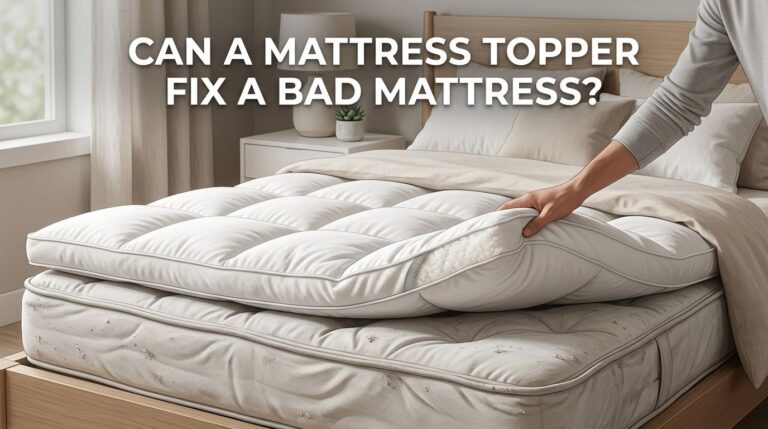
A topper can help if your mattress is too soft but still mostly even. The goal is to add a denser layer on top so your body does not sink as deeply into the comfort foam below. Choose a topper that is clearly firm, not soft or plush. Materials that tend to feel firmer include dense latex and high density foam.
Keep the topper thickness reasonable. Too thick can create a strange stacked feel. Too thin may do very little. A firm topper works best when the mattress is soft but not badly sagging. Think of it as a surface correction, not a full rebuild.
Pros: Easy to try. Less expensive than a new mattress. Good for mild softness.
Cons: Will not fix deep dips. Can add heat or extra height if you choose the wrong material.
Use A Bunkie Board Or Solid Support Panel For Extra Firmness
If the mattress needs more push from below, place a bunkie board or a solid support panel between the mattress and the base. This creates a flatter and firmer feel because the mattress has less room to flex downward. Many people also use a smooth plywood panel for a short term test before buying anything else.
Measure first so the board fits the bed well and does not shift. If you use a solid panel, check the mattress maker rules because some warranties require approved support. Also remember that less airflow under the mattress can trap more heat. This fix is simple, but it works best when the problem starts under the mattress.
Pros: Usually fast and effective. Good for slatted frames with too much give.
Cons: Can reduce airflow. May feel too hard for some sleepers. May affect warranty rules.
Lower Bedroom Heat So The Foam Feels Firmer
Memory foam reacts to temperature. In a warmer room, it becomes more pliable and your body sinks more. In a cooler room, it feels firmer. This does not change the mattress forever, but it can change how it feels each night. If your bed got softer in summer or after a heating change, temperature may be a big part of the issue.
Try lowering the bedroom temperature a little before bed. Use lighter bedding if you sleep hot. A breathable protector and sheets can also help reduce heat buildup near the surface. This is one of the easiest changes to test because it costs little. The effect is often small, but sometimes that small shift is enough.
Pros: Cheap and simple. Helps hot sleepers too. Easy to test in a few nights.
Cons: It will not fix worn foam. The change may be modest rather than dramatic.
Rotate The Mattress To Spread Wear More Evenly
If your mattress is one sided, do not flip it unless the maker says you can. But you can often rotate it. Turn the head end to the foot end. This spreads pressure to a different area and may move the softest zone away from your main sleep spot. Rotation is especially helpful if only one side or one section feels too soft.
A good routine is to rotate the mattress a few times a year if the maker allows it. This helps slow uneven wear and may extend useful life. Rotation does not repair broken foam, but it can reduce how strongly you feel a worn spot. It is a simple move that many people forget.
Pros: Free fix. Helps prevent future soft spots. Good for uneven wear.
Cons: Hard to do alone. Not useful for fully worn out mattresses. Not right for some zoned designs.
Test The Mattress On The Floor To Isolate The Real Problem
If you are not sure whether the mattress or the base is the issue, place the mattress on the floor for a short test. Use one or two nights only, then compare how the bed feels. If the mattress suddenly feels firmer and flatter, your frame or slats were likely part of the problem. That gives you a clear direction.
Do not leave the mattress on the floor forever without checking airflow, moisture, and warranty rules. Foam beds need ventilation. In damp rooms, moisture can build under the mattress and create odor or mold risk. Use the floor as a test tool first, not your final answer. A short test can save you from replacing the wrong thing.
Pros: Very clear test. No purchase needed. Good for problem solving.
Cons: Poor airflow long term. Hard for some people to get in and out of bed. May break warranty rules.
Dry Out Moisture And Reduce Humidity Around The Bed
Memory foam can hold moisture from sweat, spills, and humid air. Over time, dampness can affect comfort, smell, and support. If your room feels humid or your mattress feels heavy and warmer than usual, let it air out. Strip the bed, open windows if the weather is dry, and run a fan. You can also stand the mattress up for a few hours if it is safe to do so.
Wash the protector and sheets. Check under the mattress for any damp feeling. If your room stays humid, use a dehumidifier. Moisture control will not rebuild old foam, but it can stop the bed from feeling even softer and hotter. It is also good basic mattress care.
Pros: Helps comfort and hygiene. Can reduce heat and odor. Supports longer mattress life.
Cons: Slow fix. Does not reverse major foam damage. Requires dry weather or indoor air help.
Check For Sagging Versus Normal Body Impressions
A small body impression can happen over time, especially on softer foam beds. That alone does not always mean the mattress has failed. Real sagging is different. Sagging means the mattress has lost support, and your body drops into a crater that throws your spine out of line. If you wake up with back pain and the bed feels flat nowhere, support loss is likely the issue.
Look at the mattress from the side. Use a straight object across the surface if needed. Deep dips, especially in the middle or where your hips rest, are a warning sign. If the foam no longer springs back enough to support you, surface tricks may help only a little. That is the point where warranty or replacement becomes more realistic.
Pros: Helps you judge the situation honestly. Prevents endless trial and error.
Cons: Some damage is easier to feel than to see. Mild impressions can be hard to measure at home.
Make Small Comfort Changes That Reduce Sink And Heat
Sometimes a mattress feels too soft because everything around it adds more warmth and compression. A thick mattress pad, heavy protector, dense blanket, or hot room can all increase sink. Start simplifying the setup. Use lighter bedding. Switch to breathable sheets. Remove extra padding for a few nights and test again.
You can also adjust your pillow height and sleep position. Back sleepers often feel better with a flatter surface under the hips. Side sleepers may need a balance of support and pressure relief. These changes sound small, but together they can shift comfort more than people expect. They work best when the mattress is only slightly too soft, not badly worn out.
Pros: Low cost. Easy to test. Can improve temperature and alignment at the same time.
Cons: Limited impact on severe softness. May require a few nights of trial and error.
Try A Temporary Zoned Fix For One Soft Spot
If one area feels softer than the rest, you can try a targeted support fix. Place a thin firm pad, folded blanket, or dense foam sheet under the mattress and directly below the dip. Some people use this under the hip area or the lower back zone. The goal is to lift the sunken section a little without changing the whole bed.
Go slowly. Add only a small amount at first. Too much can create a ridge and new discomfort. This is a short term fix, but it can help you sleep better while you decide on a longer plan. It is most useful when the soft problem is local, not spread across the whole mattress. Think of it as a patch, not a cure.
Pros: Very low cost. Helpful for one person or one spot. Easy to adjust.
Cons: Can feel uneven if overdone. Temporary only. Takes patience to get placement right.
Use Your Sleep Trial Or Warranty If You Still Have Coverage
If the mattress became too soft soon after purchase, check your sleep trial first. Many brands allow returns or exchanges during the trial period. If the mattress is older but still under warranty, read the rules and inspect the required support conditions. Some brands ask for photos, measurements, and proof that the mattress sat on a proper base.
Do this before you add permanent fixes or throw the old setup away. If the mattress has a manufacturing issue, you may have a better option than trying to rescue it yourself. This step matters most when the softness feels sudden, unusual, or much worse than expected for the age of the bed. A short paperwork task could save you a lot of money and frustration.
Pros: May lead to a better long term result. Can reduce out of pocket cost.
Cons: Claims take time. Coverage rules can be strict. Not every soft feel counts as a defect.
FAQs
Can plywood make a memory foam mattress firmer?
Yes, it can. A solid panel under the mattress can reduce flex and make the bed feel flatter and firmer. This works best if the frame or slats are part of the problem. It does less if the comfort foam on top is already worn out. Check airflow and warranty rules before using it long term.
Will a cooler room really make memory foam feel firmer?
Yes, but the change is usually moderate, not huge. Memory foam reacts to heat, so a cooler bedroom can make the surface feel less soft and less sinky. This is a good first test because it costs little. It works best for people who sleep hot or notice the mattress feels worse in warm weather.
Can a topper fix a mattress that got too soft?
A firm topper can help if the mattress is only mildly too soft and still fairly even. It adds a denser layer on top and reduces deep sink. It will not fully fix deep sagging or major foam breakdown. If there is a clear crater in the mattress, a topper may only mask the problem for a short time.
Is it okay to put a memory foam mattress on the floor?
It is okay as a short test and sometimes as a short term setup. The floor gives firm and even support, which can help you tell if the base is the real issue. Long term use can reduce airflow under the mattress and raise the risk of trapped moisture, dust, and odor, especially in humid rooms.
Can an old memory foam mattress become firm again?
Usually no. Once the foam has broken down, you can improve the feel with support changes, a topper, or a targeted fix, but you cannot fully restore the original structure. If the mattress is old, causes pain, and has deep soft spots, the better answer is often to replace it and improve the base at the same time.

Hi, I’m Ava Day, the founder and lead writer at Cozy Bed Vault. I’m passionate about sleep wellness and dedicated to helping people find their perfect mattress. Through honest reviews, detailed comparisons, and expert buying guides, I simplify the mattress shopping experience so you can sleep soundly every night.