Why Is My Mattress Protector Turning Yellow Over Time?
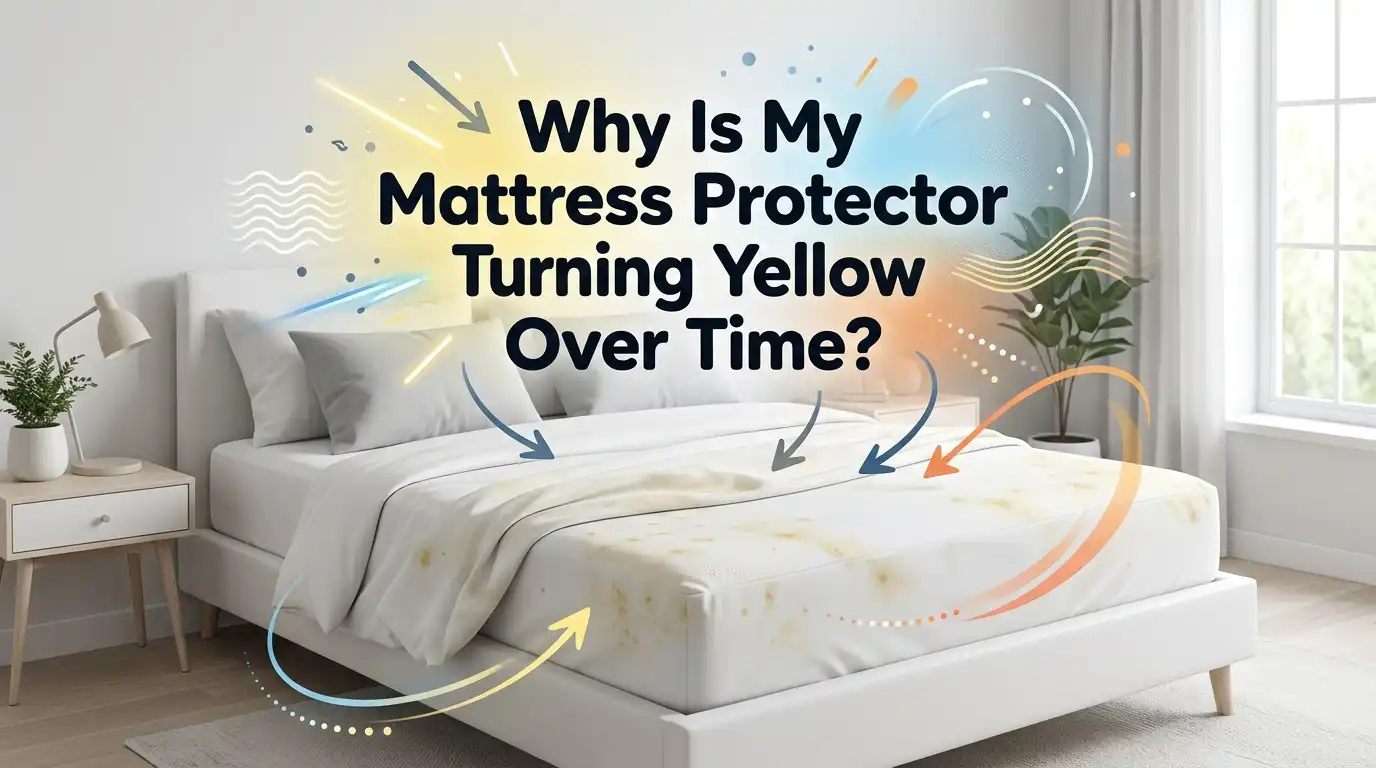
You slipped a fresh white mattress protector onto your bed a few months ago. Now you pull back the sheets and spot ugly yellow patches staring back at you. It feels gross. It feels confusing. You bought the protector to keep things clean, so why does it look stained?
You are not doing anything wrong, and you are not alone. Yellowing is one of the most common complaints among mattress protector owners.
The good news is that the causes are simple, and the fixes are even simpler. This guide breaks down every reason your protector turns yellow. It also gives you clear, step by step solutions you can use today.
In a Nutshell:
- Body sweat and natural oils are the top cause. Your skin releases moisture and sebum every night. These soak through your sheets and build up on the protector, leaving yellow marks over time.
- Heat and harsh chemicals make yellowing worse. Hot dryers, bleach, and strong detergents can damage the fabric and the waterproof layer. This speeds up discoloration and shortens the life of your protector.
- Most yellow stains come out with simple home items. Baking soda, white vinegar, and diluted hydrogen peroxide remove most stains. You likely already have these in your kitchen.
- Washing every one to two months keeps yellow away. Regular cleaning stops sweat and oil from settling into the fibers. Catching stains early always works better than waiting.
- Prevention beats treatment every time. A clean sheet barrier, gentle washing, and full air drying protect your investment. These habits add years to your protector.
What Causes a Mattress Protector to Turn Yellow
A mattress protector turns yellow because of things your body and your home produce every single day. Your body is the biggest source.
You sweat during sleep, even in cold weather. Your skin also releases natural oils called sebum. These fluids pass through your sheets and land on the protector.
Other causes pile on top. Spilled drinks, lotions, and humidity all leave marks. Hard water minerals add a dull tint when you wash. Even the fabric itself ages and reacts with air, which is called oxidation.
Most of these stains stay invisible at first. They build slowly, layer by layer. By the time you notice yellow, weeks of buildup are already there. Knowing the cause helps you pick the right fix.
Sweat and Body Oils: The Number One Reason
Your body loses a surprising amount of fluid at night. The average person sweats up to a pint during eight hours of sleep. This sweat carries salt, urea, and bacteria. Your skin also produces sebum, an oily substance that protects you.
Both sweat and sebum seep through thin cotton sheets with ease. They reach the protector and dry into pale yellow patches. Over weeks, these patches darken and spread across the whole surface. The areas under your torso and head usually turn yellow first.
Bacteria love this damp, oily mix. They feed on it and create odors along with the stains. This is why an old protector can smell musty even after a wash.
Pros of understanding this cause: you can target the right spots. Cons: sweat never stops, so you must clean often.
How Heat and Sunlight Speed Up Yellowing
Heat is a hidden enemy of your mattress protector. High dryer temperatures break down the fabric fibers and the waterproof backing. When these layers degrade, they take on a yellow tone that no wash can remove.
Direct sunlight does the same thing through a process called oxidation. UV rays change the molecular structure of synthetic materials. A protector left in a sunny spot can yellow faster than one kept in shade.
Hot water washing adds to the problem. It can melt the thin polyurethane layer that makes protectors waterproof. Once that layer cracks, liquids pass through and stain the fabric below.
Pros of avoiding heat: your protector lasts much longer. Cons: air drying takes more time and space than a quick tumble in the dryer.
The Role of Harsh Detergents and Bleach
Many people reach for bleach to whiten a yellow protector. This almost always backfires. Bleach reacts with sweat proteins and sometimes turns fabric more yellow, not white. It also eats away at the waterproof layer.
Strong detergents leave a similar problem. They build up residue in the fibers when you use too much. This residue traps dirt and oils, which then look yellow. The protector ends up dirtier than before.
Fabric softeners coat the fabric with a waxy film. This film blocks water from rinsing the protector clean. Over time it locks in stains and odors.
Pros of mild cleaning: you protect the material and the warranty. Cons: gentle products may need a second wash for tough stains, which takes a little more effort.
How to Remove Yellow Stains With Baking Soda
Baking soda is your cheapest and safest stain fighter. It absorbs moisture, neutralizes odor, and lifts oils from the fabric. You probably have a box in your kitchen right now.
Here is the simple method:
- Lay the protector flat on a clean surface.
- Sprinkle a thick layer of baking soda over the yellow areas.
- Let it sit for at least eight hours, or overnight for deep stains.
- Vacuum or shake off the powder.
- Wash the protector on a gentle, cool cycle.
Baking soda works best on fresh sweat stains and light yellowing. For old, set in marks, you may need to repeat the process twice.
Pros: cheap, safe, and gentle on waterproof layers. Cons: it struggles with very old or dark stains and works slowly compared to stronger cleaners.
Using White Vinegar to Whiten Your Protector
White vinegar cuts through sweat residue and mineral buildup. Its mild acid breaks down the alkaline salts that cause yellowing. It also kills odor causing bacteria without harming the fabric.
Try this method:
- Mix one part white vinegar with one part cool water.
- Pour the solution into a spray bottle.
- Spray the yellow areas until damp, not soaked.
- Let it sit for thirty minutes.
- Wash the protector as normal.
For tough cases, soak the whole protector in a tub of vinegar and water overnight. This loosens deep stains before you wash.
Pros: removes odor, fights hard water marks, and stays gentle on materials. Cons: the vinegar smell can linger until you wash and dry the protector fully. It also works less well on oil heavy stains alone.
The Hydrogen Peroxide Method for Tough Stains
When baking soda and vinegar fall short, hydrogen peroxide steps in. It is a natural whitener that breaks down stubborn protein stains like dried sweat. Use the standard three percent solution from any pharmacy.
Mix a simple paste:
- Combine half a cup of hydrogen peroxide, two tablespoons of baking soda, and a few drops of mild dish soap.
- Stir until it forms a loose paste.
- Apply it to the yellow spots with a soft cloth.
- Let it sit for twenty to thirty minutes.
- Rinse with cool water and wash the protector.
Test the solution on a hidden corner first. Peroxide can lighten some colored fabrics.
Pros: powerful on old yellow stains and safer than bleach. Cons: it can weaken fibers if you use it too often or leave it on too long. Always rinse it out well.
How to Wash a Waterproof Mattress Protector Correctly
Washing a waterproof protector the right way stops new yellowing. The waterproof layer is delicate and needs gentle care. Always check the care label first, since brands differ.
Follow these steps:
- Treat any stains before washing, as listed above.
- Use cool or warm water, never hot.
- Pick a mild detergent and use only a small amount.
- Choose a gentle or normal cycle.
- Skip bleach and fabric softener completely.
Wash the protector on its own so the machine has room to clean it well. A crowded drum leaves residue behind.
Pros: this routine keeps the waterproof seal intact and the fabric bright. Cons: you must wash the protector separately, which uses an extra laundry load. It also rules out the convenience of hot, fast cycles.
The Right Way to Dry Your Mattress Protector
Drying matters just as much as washing. High heat is the fastest way to ruin a protector and lock in yellow tones. Air drying is the safest choice for most protectors.
Here is how to dry it well:
- Hang the protector on a clothesline or drying rack.
- Keep it in a shaded, airy spot, not direct sun.
- Spread it out flat so air reaches every part.
- Use a fan to speed things up if needed.
- Make sure it is fully dry before you put it back.
A damp protector grows mold, which creates new dark stains. Never rush this step.
Pros: air drying protects the waterproof layer and prevents shrinkage. Cons: it takes several hours and needs open space, which is hard in small or humid homes.
How Often Should You Wash It to Prevent Yellowing
Timing is the secret to a clean protector. Most experts suggest washing your mattress protector every one to two months. Regular washes stop sweat and oil from settling deep into the fibers.
Some situations call for more frequent washing:
- Wash right away after any spill or accident.
- Wash after you or your partner has been sick.
- Wash more often if a pet sleeps on the bed.
- Wash often if you have allergies or sweat heavily.
A steady schedule keeps yellow from ever forming. It is far easier than scrubbing old stains later.
Pros: regular washing prevents stains and odors before they start. Cons: frequent washing adds to your laundry load and slightly wears the fabric over many years. Still, the trade off is worth it for a fresh bed.
Simple Habits to Stop Yellowing Before It Starts
Prevention saves you time, money, and effort. A few small habits keep your protector white for years. Start with what touches your body each night.
Build these habits:
- Always use a fitted sheet over the protector. This barrier soaks up most sweat and oil first.
- Wash your sheets every week. Clean sheets stop oils from reaching the protector.
- Shower before bed when you can. Less body oil means fewer stains.
- Avoid eating and drinking in bed. This cuts down on spills.
- Air out your bedroom daily. Lower humidity slows oxidation.
Keep a spare protector ready so you can swap one while the other dries. This keeps your bed protected at all times.
Pros: these habits cost almost nothing and work for any protector. Cons: they take daily discipline and a little planning to stick with.
When to Replace Your Mattress Protector
Sometimes a protector reaches the end of its life. No amount of cleaning will fix yellow caused by aged, oxidized fabric. Knowing when to replace it saves your mattress underneath.
Watch for these warning signs:
- The waterproof layer feels cracked, stiff, or peeling.
- Yellow stains stay after several deep cleans.
- The protector smells musty even when clean.
- Liquids now pass through to the mattress.
- The fabric feels thin or torn in spots.
A worn protector no longer does its job, so your mattress takes the damage instead. Most protectors last three to five years with good care.
Pros of timely replacement: you protect your costly mattress and sleep on a fresh surface. Cons: buying a new protector is an added expense, though it costs far less than a new mattress.
Frequently Asked Questions
Is it safe to sleep on a yellowed mattress protector?
Yellow from simple oxidation is harmless. Yellow paired with a bad smell or mold is not safe. If the protector smells musty or triggers allergies, wash it deeply or replace it. A clean protector supports better sleep and health.
Can I use bleach to whiten my mattress protector?
No, avoid bleach. It can react with sweat and turn the fabric more yellow. Bleach also damages the waterproof layer and weakens the fibers. Stick with baking soda, white vinegar, or diluted hydrogen peroxide for safe whitening.
Why does my protector turn yellow even with a fitted sheet on top?
Sweat and oils still pass through thin sheets over time. A sheet slows the process but does not block it fully. Wash your sheets weekly and your protector every one to two months to reduce buildup.
Does a waterproof protector stop yellowing completely?
No, it does not. Waterproof layers block liquids from the mattress, but the top fabric still absorbs sweat and oil. You must still wash the protector regularly to keep its surface clean and white.
How do I remove old, set in yellow stains?
Soak the protector in a mix of water and white vinegar overnight. Then apply a paste of hydrogen peroxide, baking soda, and dish soap to the spots. Let it sit, rinse, and wash on a cool cycle. Repeat if needed.
Can sunlight remove yellow stains from my protector?
Sunlight can lighten some stains, but use it with care. Too much direct UV light causes oxidation and more yellowing. For drying, choose a shaded, airy spot instead of harsh, direct sun.

Hi, I’m Ava Day, the founder and lead writer at Cozy Bed Vault. I’m passionate about sleep wellness and dedicated to helping people find their perfect mattress. Through honest reviews, detailed comparisons, and expert buying guides, I simplify the mattress shopping experience so you can sleep soundly every night.